

It’s time to center Middle Eastern authors and the powerful histories they bring to the page. These novels move beyond headlines, offering intimate insight into war, empire, displacement, faith, and identity through deeply human storytelling. Each book expands your perspective, cultivating a lasting sense of empathy and understanding. From Ottoman courts to 20th-century revolutions, these stories transform history into vivid, unforgettable experience.
Here are 12 must-read historical fiction novels by Middle Eastern authors.
1. The Kite Runner — Khaled Hosseini
Set in Afghanistan from the 1970s through the rise of the Taliban, this global bestseller follows Amir and Hassan, two boys whose friendship is fractured by betrayal. Against the backdrop of political upheaval, the novel explores guilt, redemption, and the cost of silence. It remains one of the most widely read works by Middle Eastern authors worldwide.
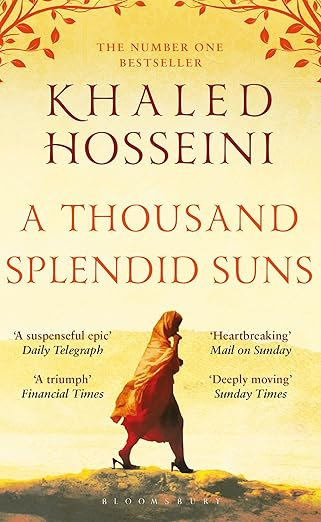
2. A Thousand Splendid Suns — Khaled Hosseini
Spanning three decades of Afghan history, this emotional novel follows Mariam and Laila as their lives intertwine under Taliban rule. Through war, loss, and resilience, Hosseini paints a powerful portrait of womanhood in a changing Afghanistan.
3. Mornings in Jenin — Susan Abulhawa
This multigenerational saga traces a Palestinian family’s story beginning in 1948. Covering displacement, exile, and identity, the novel offers an intimate perspective on Palestinian history and is one of the most talked-about works by Middle Eastern authors in recent years.
4. Season of Migration to the North — Tayeb Salih
A cornerstone of modern Arabic literature, this novel explores post-colonial identity through the story of a Sudanese man returning from England. Set in the aftermath of British colonial rule, it examines power, race, and cultural conflict with haunting depth.
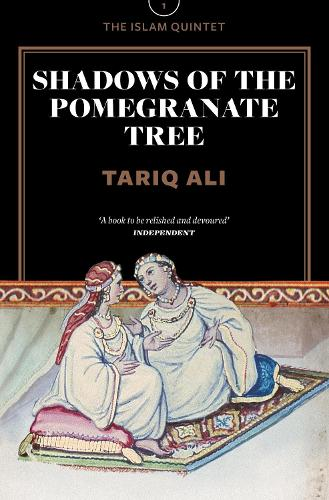
5. Shadows of the Pomegranate Tree — Tariq Ali
Part of the Islam Quintet series, this novel tells the story of Granada’s fall through the lens of a single family, capturing their struggle to survive after the collapse of their world. Ali is especially skilled at evoking what life must have been like for those trapped, besieged on all sides by an unforgiving and intolerant Christendom.
6. Azazel — Youssef Ziedan
Set in 5th-century Egypt and Syria during early Christian theological conflict, this award-winning novel follows a monk wrestling with faith and doubt. Rich in historical detail, it is considered a landmark in contemporary Arabic historical fiction.
7. Samarcande — Amin Maalouf
Blending history and fiction, this novel traces the life of Persian poet Omar Khayyam and the journey of his manuscript across centuries. Maalouf’s storytelling captures the intellectual vibrancy of the Islamic Golden Age.
8. The Yacoubian Building — Alaa Al Aswany
Set in downtown Cairo in the 1990s, this sweeping narrative follows residents of a once-grand apartment building. Through intersecting lives, it reflects the social and political tensions shaping modern Egyptian history.
9. The Island of Missing Trees — Elif Shafak
Spanning 1970s Cyprus and present-day London, this lyrical novel centers on forbidden love during the Cypriot conflict. Shafak blends memory, migration, and environmental symbolism into a deeply layered historical narrative.
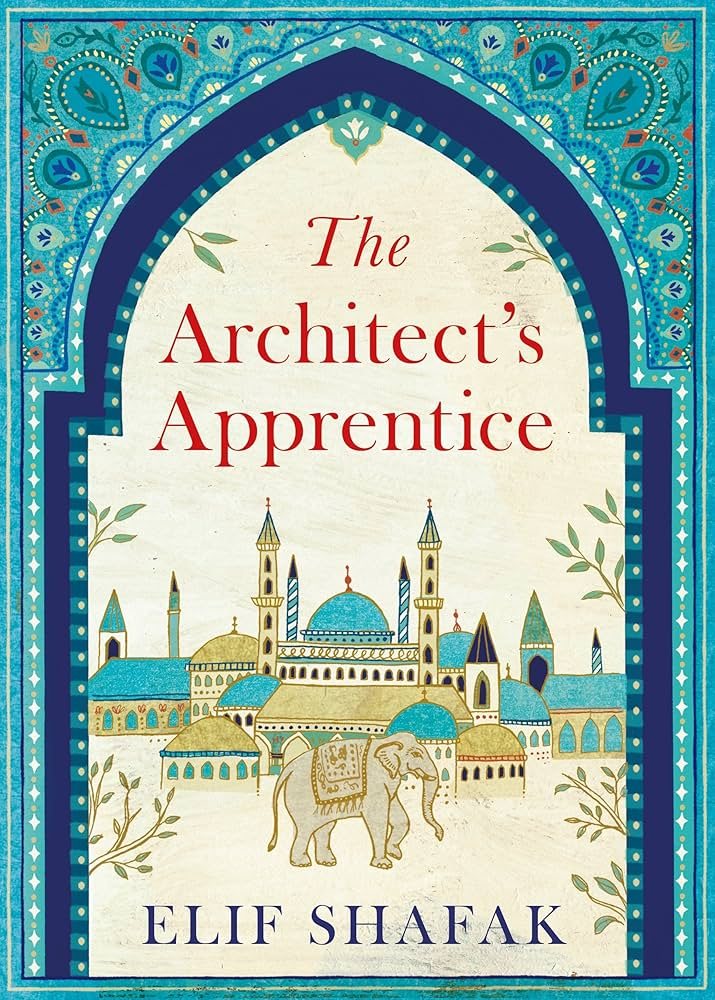
10. The Architect’s Apprentice — Elif Shafak
This novel tells an epic tale of the Ottoman Empire. In 1540, twelve-year-old Jahan arrives in Istanbul, caring for the clever elephant Chota and falling for Princess Mihrimah. Under the mentorship of chief architect Mimar Sinan, Jahan helps build the empire’s greatest masterpieces, but jealousy among Sinan’s apprentices threatens everything.
11. Frankenstein in Baghdad — Ahmed Saadawi
Set in U.S.-occupied Baghdad, this Booker Prize-shortlisted novel follows a junk dealer who stitches together body parts from bombing victims—creating a literal and symbolic monster. It’s a sharp allegory of war and fragmentation in modern Iraq.
12. The Map of Love — Ahdaf Soueif
Moving between early 20th-century Egypt and contemporary times, this romantic historical epic examines colonialism, nationalism, and cross-cultural love. It’s both sweeping and intimate, blending political history with personal stories.
Historical fiction by Middle Eastern authors offers perspectives often overlooked in mainstream Western narratives. These novels center lived experience, cultural nuance, and layered political histories—making them essential reads for anyone interested in global literature.
From medieval courts to modern revolutions, these books don’t just retell history—they humanize it.