

Before “empowerment” became a buzzword and long before women were allowed center stage without explanation, Arab divas were already doing the most — and paying the price for it. These women weren’t just talented; they were disruptive. Too loud, Too visible, Too opinionated, Too powerful.
In societies that often asked women to shrink, these Arab divas expanded — their voices, their intellect, their presence — forcing culture, politics, and art to make room. From concert halls to courtrooms, from cinema screens to revolutionary movements, they didn’t just break ceilings, they ignored them entirely.
Here are 9 Arab divas who paved the way for women in the Middle East, and the resistance they faced while doing it.
1. Umm Kulthum (Egypt) — Power in a Woman’s Voice
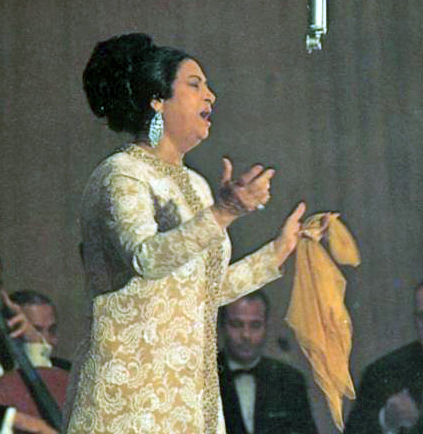
Music | 1904–1975
Umm Kulthum rose from a rural village, performing in boys’ clothing so she could sing publicly without scandal. In a deeply conservative society, her early career required careful navigation of respectability, class prejudice, and gender norms.
As her fame grew, so did the scrutiny. Critics questioned how a woman could hold such influence — politically, culturally, emotionally. Yet she negotiated her own contracts, dictated artistic terms, and performed songs that lasted over an hour, demanding patience and reverence from her audience.
Her voice became a national symbol at a time when women were rarely allowed authority. Umm Kulthum didn’t just sing to the Arab world — she commanded it.
2. Fairuz (Lebanon) — Soft Power, Unbreakable Presence
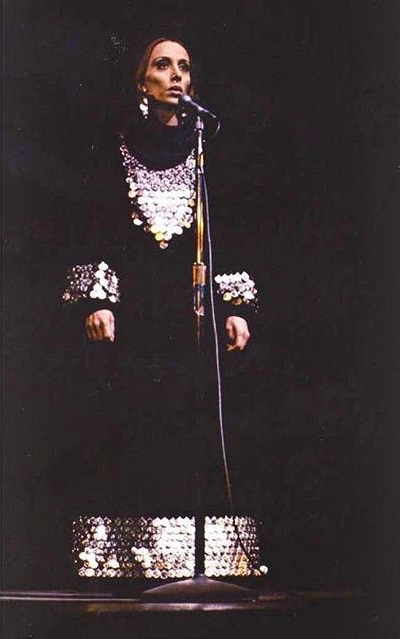
Music | Born 1934
Fairuz’s challenge was expectation. Audiences projected purity, nostalgia, and national identity onto her, leaving little room for personal freedom. Especially during Lebanon’s civil war, where every silence, song, or absence was politicized.
She refused to be used by any faction, choosing artistic neutrality in a deeply divided country. That restraint came at a cost: criticism, pressure, and public misunderstanding.
Fairuz proved that being an Arab diva didn’t require spectacle — only consistency, integrity, and the courage to remain private in a culture hungry for access.
3. Asmahan (Syria/Egypt) — Too Free for Her Time
Music & Film | 1912–1944
Asmahan’s life was marked by rebellion. Born into aristocracy, she rejected domestic confinement and repeatedly fled forced marriages to pursue music and independence.
Her freedom made her a target. Rumors, moral judgment, and political suspicion followed her relentlessly. Her refusal to play the “good girl” role turned her into both an icon and a cautionary tale.
Asmahan’s tragic death cemented her myth — but her real legacy lies in her refusal to apologize for wanting more than society offered women.
4. Faten Hamama (Egypt) — Choosing Depth Over Decoration
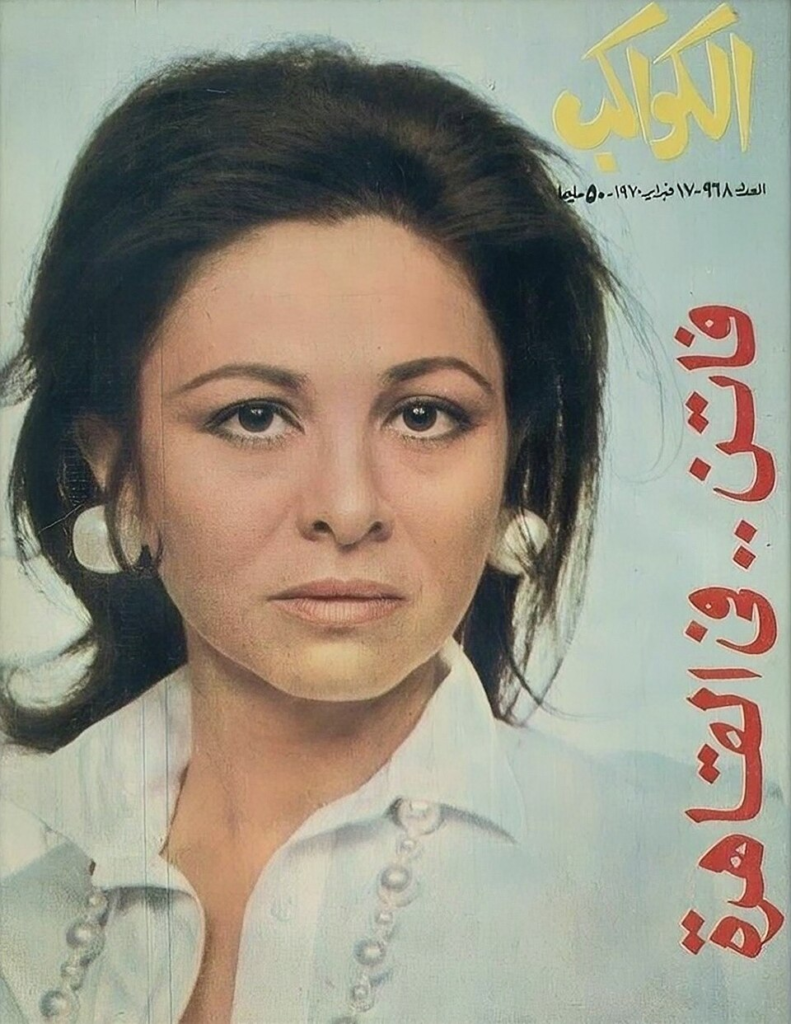
Film | 1931–2015
Faten Hamama entered cinema as a child star, but her greatest challenge was refusing to remain ornamental. She rejected roles that reduced women to background beauty and fought to portray complex female lives.
Many of her films faced censorship for addressing divorce, domestic violence, and women’s autonomy. Her personal life was also scrutinized — particularly when her beliefs didn’t align with political powers.
By insisting on dignity in storytelling, she changed how Arab women were represented — and how seriously they were taken.
5. Huda Shaarawi (Egypt) — When Feminism Was Treason
Politics & Activism | 1879–1947
Huda Shaarawi challenged not just patriarchy, but colonial power and nationalist hypocrisy. Advocating for women’s education and political participation was seen as radical — even dangerous.
Her public unveiling was met with outrage and backlash from both conservative society and male-led reform movements that wanted women’s support without granting them equality.
She paid the price socially and politically, but her defiance planted the seeds of organized feminism in the Arab world.
6. Nawal El Saadawi (Egypt) — Punished for Telling the Truth
Writing & Activism | 1931–2021
Nawal El Saadawi faced censorship, imprisonment, exile, and death threats — simply for writing about women’s bodies, sexuality, and oppression.
She lost her job as a physician, her books were banned, and she was imprisoned under Sadat’s regime. Still, she continued writing — often from exile — refusing to soften her language to appease power.
Among Arab divas, her bravery came without glamour — only relentless conviction.
7. Etel Adnan (Lebanon) — Existing Between Worlds
Visual Art & Literature | 1925–2021
Etel Adnan struggled with displacement, language, and belonging. Writing in French and English while rooted in Arab identity, she often felt too foreign for one world and too Arab for another.
Her work was initially overlooked by mainstream art institutions, especially as a woman of color. Recognition came late — but when it did, it was global.
She proved that Arab women’s creativity doesn’t need translation — only attention.
8. Mona Hatoum (Palestine) — Art That Makes People Uncomfortable
Contemporary Art | Born 1952
Mona Hatoum’s challenge has always been visibility without safety. Her work confronts surveillance, exile, and bodily vulnerability — themes deeply tied to her Palestinian identity.
Critics often tried to depoliticize her work or frame it as abstract to avoid uncomfortable truths. As a woman, her use of the body in art was also heavily scrutinized.
She refused simplification — insisting that Arab women’s art can be both political and poetic.
9. Queen Zenobia (Palmyra) — Erased, Then Remembered
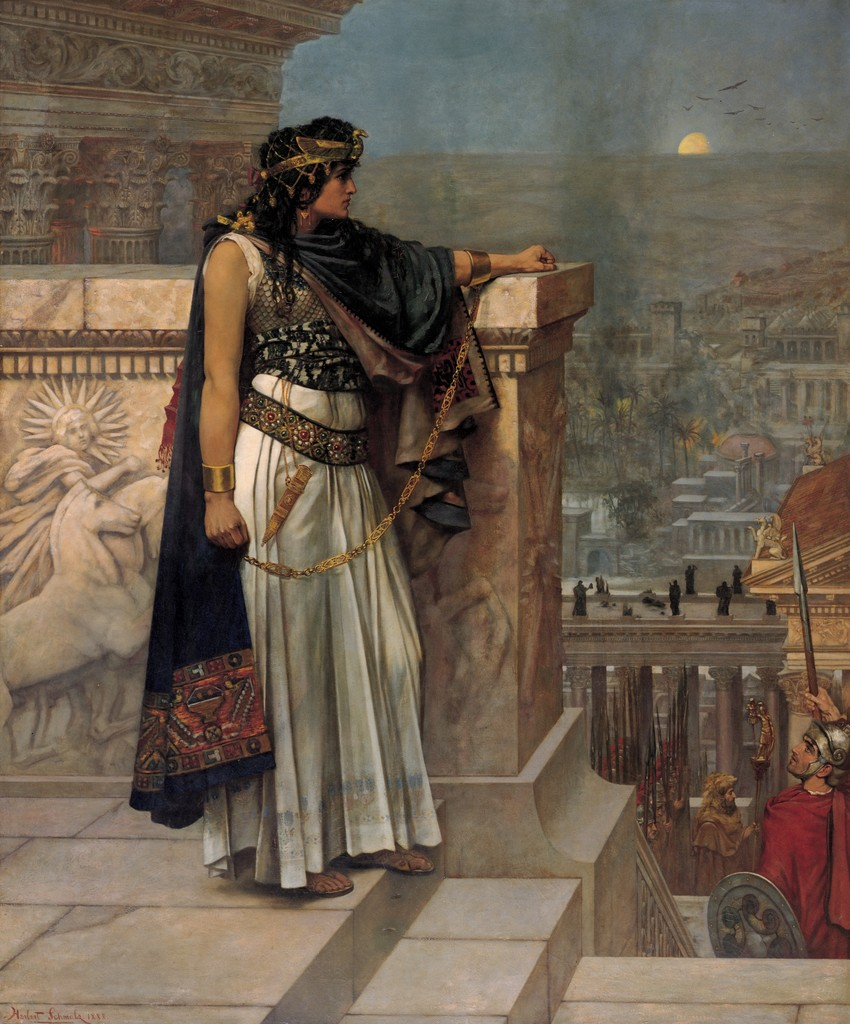
History & Politics | 3rd Century AD
Queen Zenobia’s greatest challenge was historical erasure. Western histories often minimized her leadership or portrayed her as an anomaly rather than a legitimate ruler.
As a woman who challenged Roman power, her ambition was framed as arrogance. After her defeat, her legacy was deliberately softened — or dismissed.
Yet her reign proves that Arab women have always ruled, strategized, and resisted — even when history tried to forget them.
The Importance of Arab Divas
These Arab divas weren’t celebrated in real time — many were criticized, silenced, or misunderstood. But their refusal to conform reshaped culture, politics, and artistic freedom for women across the Middle East.
They didn’t ask for permission and didn’t wait for approval.
They simply showed up, and changed everything.