









For decades, leopard print has been treated like fashion’s loudest personality. It’s been called flashy, dramatic, even “too much.” Yet somehow, the same print keeps returning season after season—not as a trend, but as a wardrobe essential.
Maybe we’ve been looking at it all wrong.
What if leopard print isn’t a statement piece at all? What if it’s actually a neutral?
It sounds controversial, but fashion has been proving this theory for years.
Why Leopard Print Behaves Like a Neutral
When we think of neutrals, we immediately picture black, white, beige, grey, navy, or cream. They’re dependable. They work with everything. They balance an outfit instead of overwhelming it.
Surprisingly, leopard print does exactly the same thing.
Its natural palette—rich browns, warm caramel, black, and touches of cream—contains the very colours we already wear every day. Instead of introducing a completely new colour, it combines several familiar neutrals into one print.
That’s why pairing leopard print with an outfit rarely feels forced.
It works with:
- Black tailoring
- White shirts
- Denim
- Chocolate brown
- Burgundy
- Olive green
- Cream knitwear
- Camel coats
- Navy blazers
- Grey cashmere
In other words, it behaves exactly like another neutral would.
Fashion Has Been Treating Leopard Print Like a Neutral for Years
Without even realizing it, most people have already accepted leopard print as a neutral.
Think about the outfits we’ve repeatedly seen throughout fashion history.
The Leopard Coat
Perhaps the greatest example.
Throw a leopard print coat over an all-black outfit and suddenly the look feels elevated—not chaotic.
Black trousers.
Black knit.
Black boots.
Then the coat.
Nothing clashes because the print simply replaces what could have been a camel or black outerwear piece.
Leopard Flats
There are few shoes more versatile than leopard ballet flats.
They’ve become the “interesting basic” women reach for with jeans and a white T-shirt, linen trousers, oversized shirting, tailoring, slip dresses, and even workwear.
Instead of adding colour, they add texture.
Leopard Accessories
Fashion editors have quietly relied on leopard print accessories for decades.
A belt.
A handbag.
A silk scarf.
A pair of heels.
Each works almost the way a brown leather accessory would—but with considerably more personality.
The Evidence Is in the Runways
If anyone still thinks leopard print belongs in fashion’s “microtrend” category, the latest runways disagree. Across the most recent collections, designers weren’t using leopard as the loudest piece in the room—they were treating it like black, camel, or denim.
Roberto Cavalli SS26 — Leopard appeared on fluid dresses and tailored separates, reaffirming the house’s signature while making it feel wearable for day.
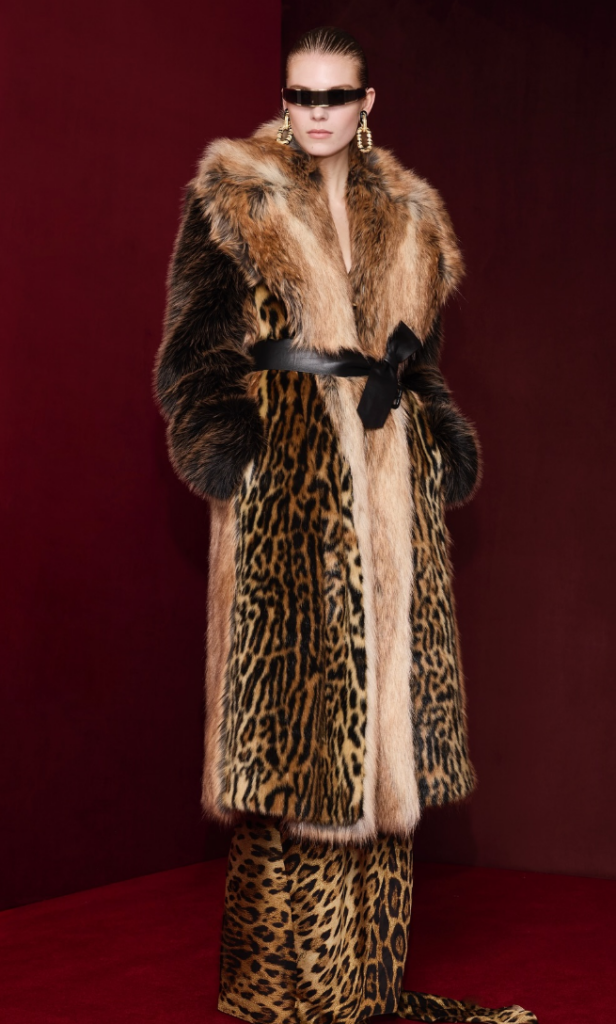
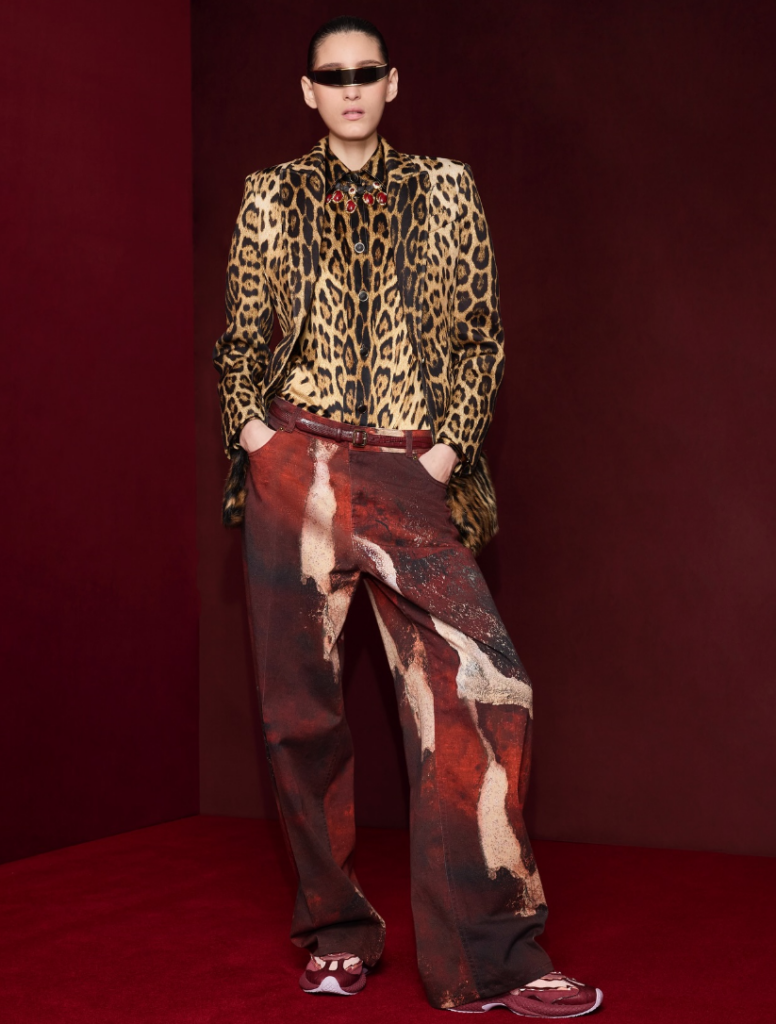
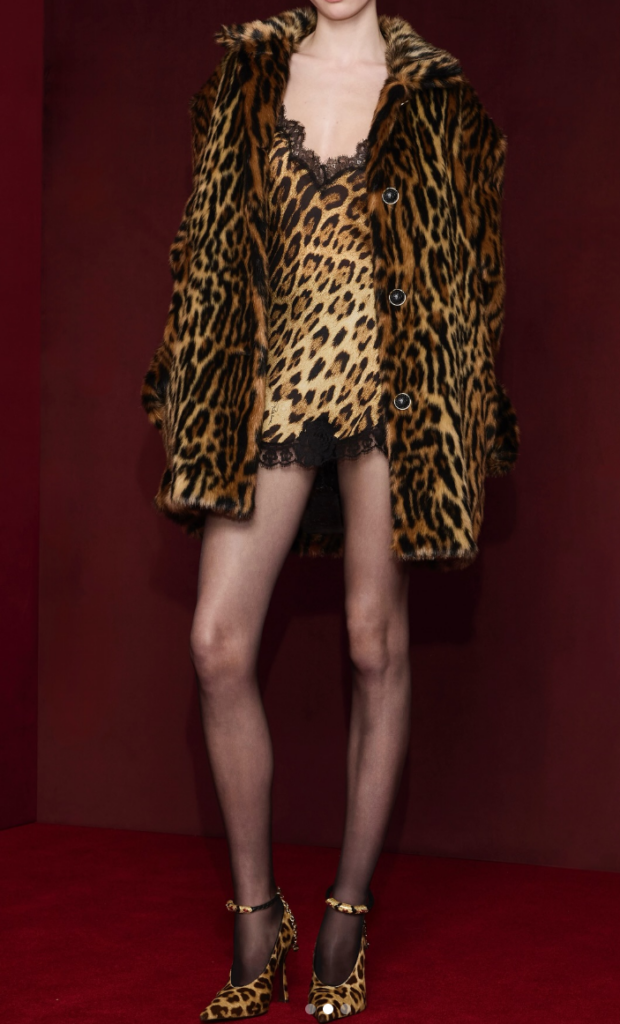
Dolce & Gabbana SS26 — Animal print returned on sleek dresses, sharp tailoring and accessories rather than being styled as an over-the-top statement, reinforcing its role as a wardrobe staple.
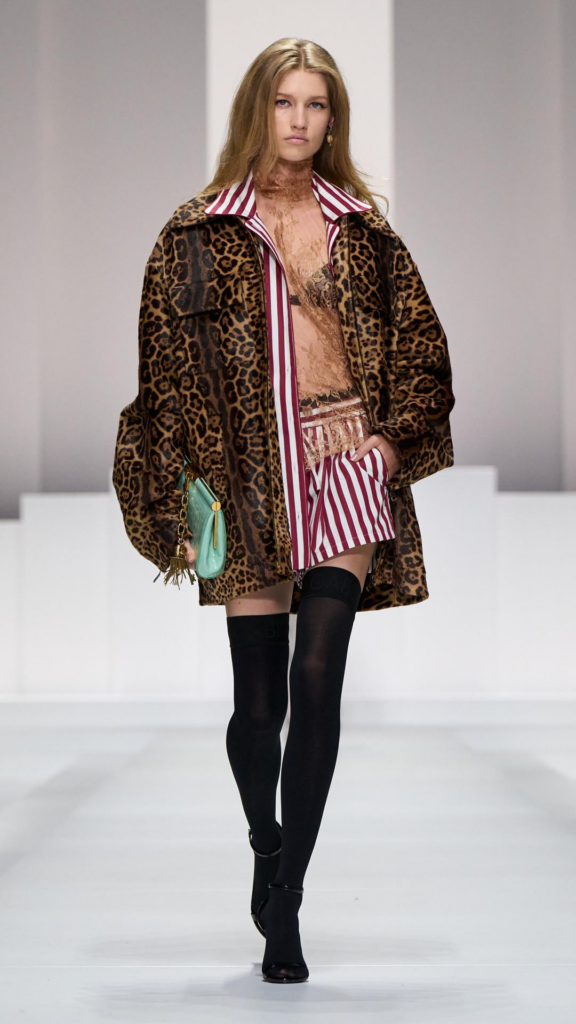
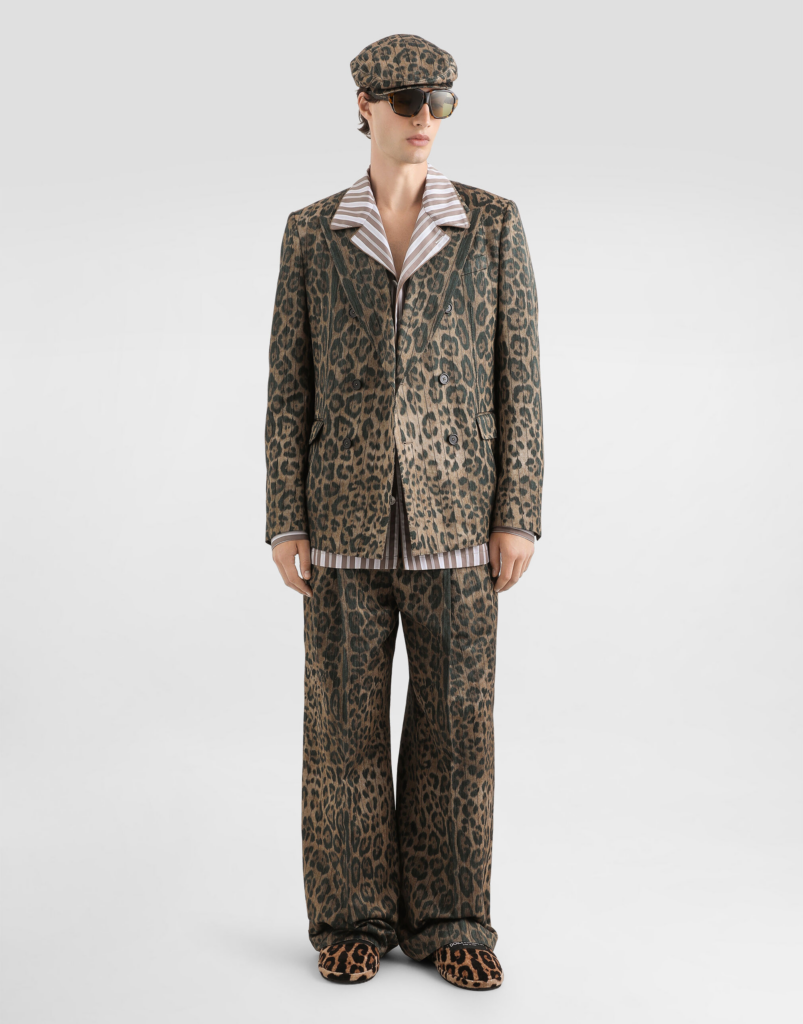
Alaïa— Pieter Mulier incorporated animal motifs into sculptural silhouettes, letting leopard become part of a refined, minimalist wardrobe rather than an overt trend.
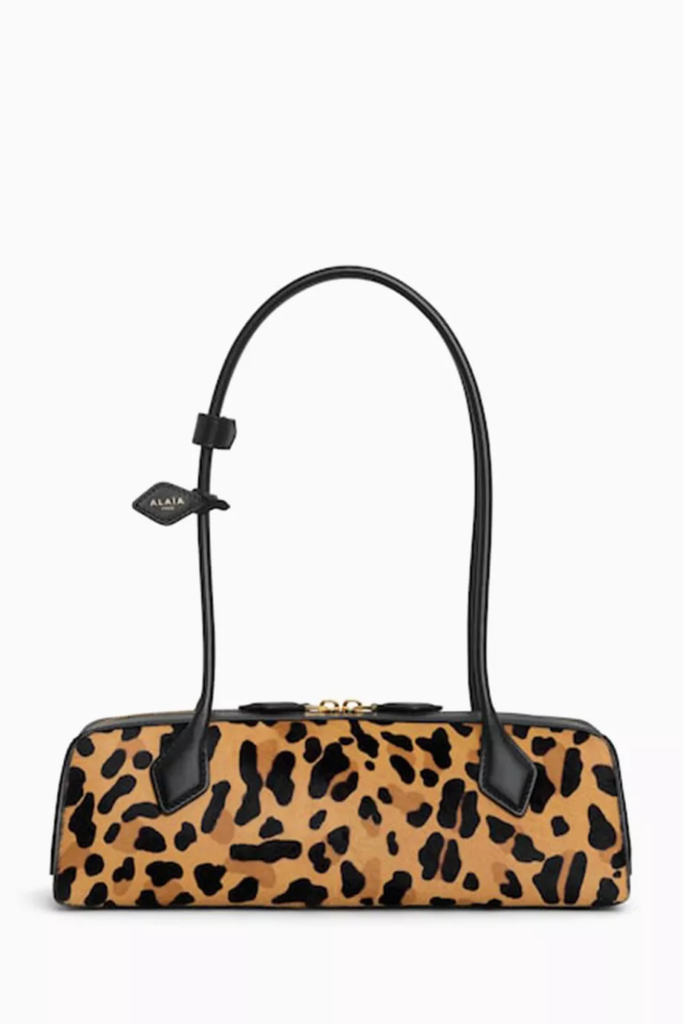
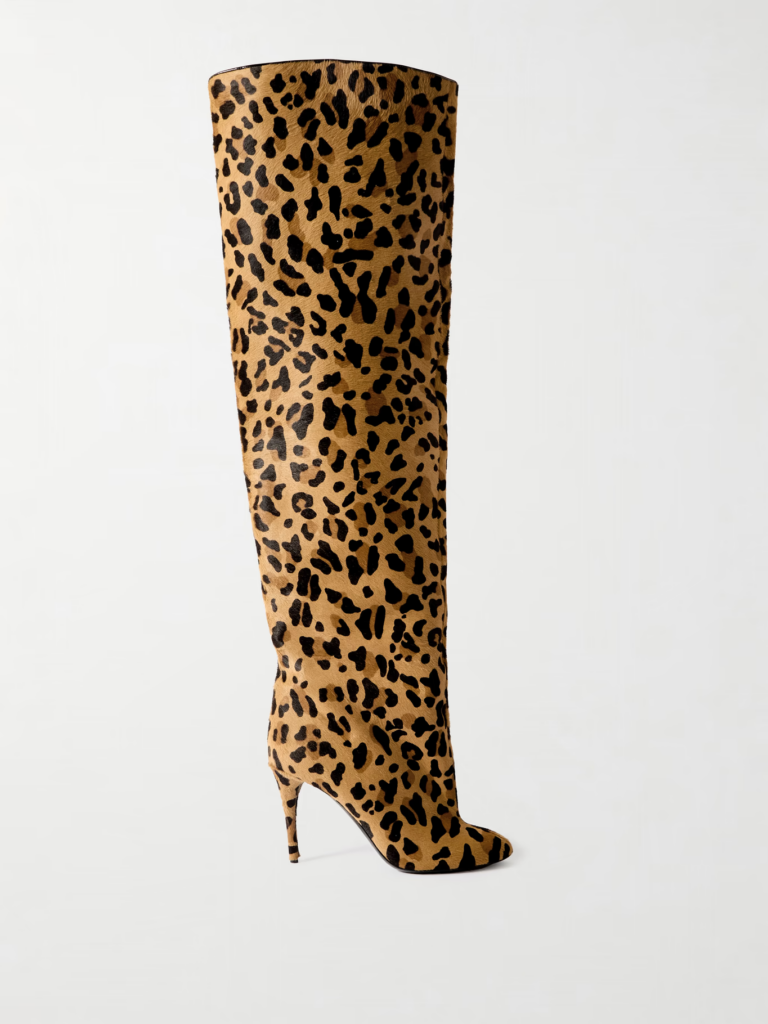
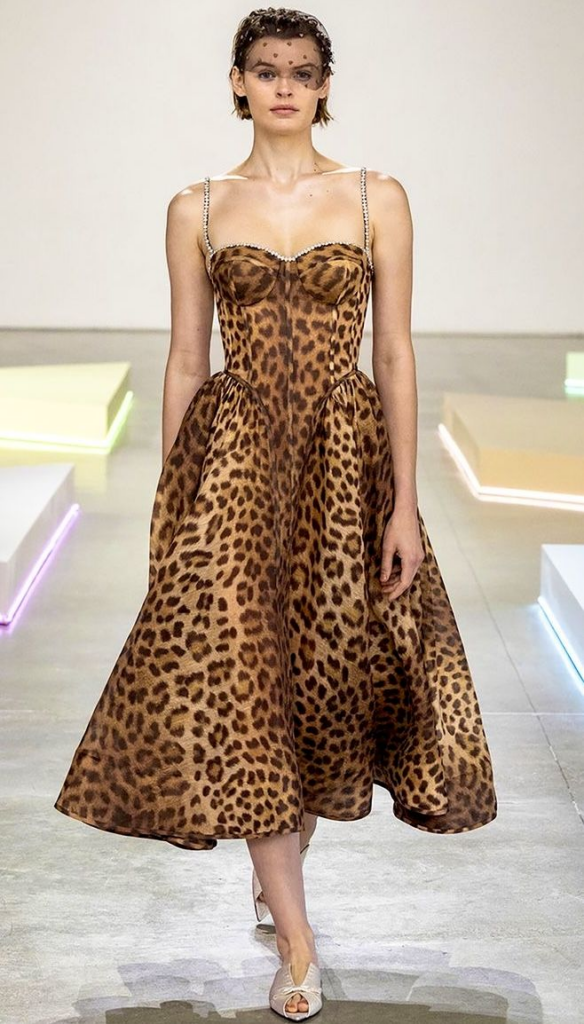
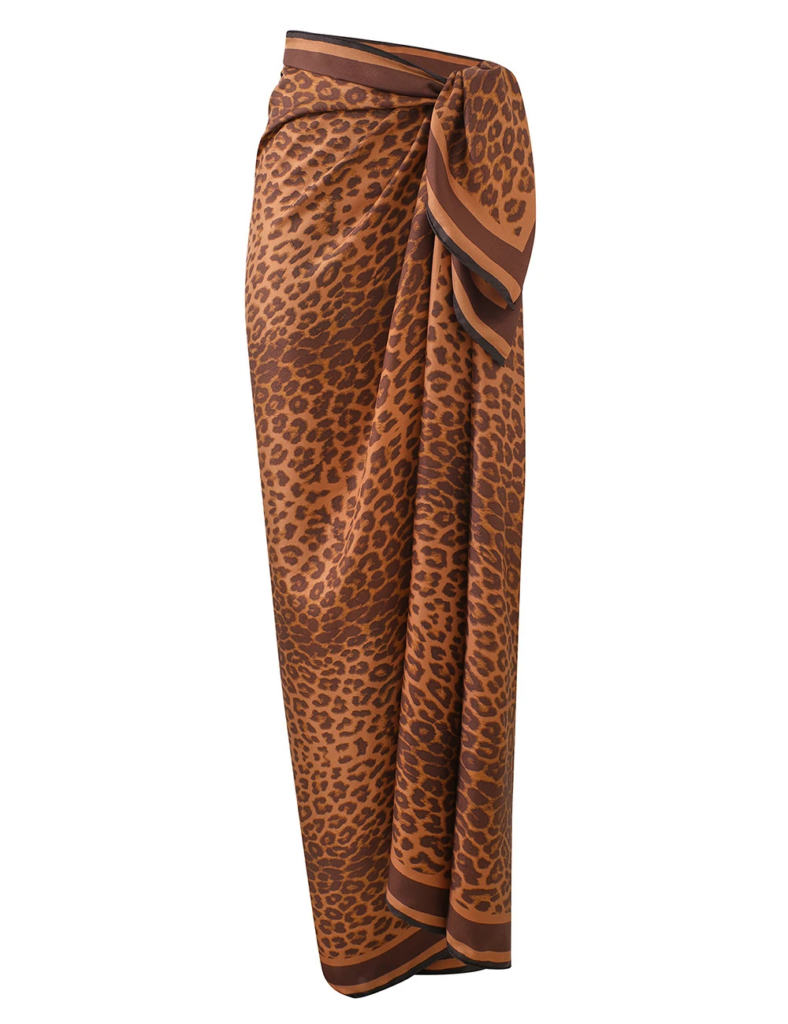
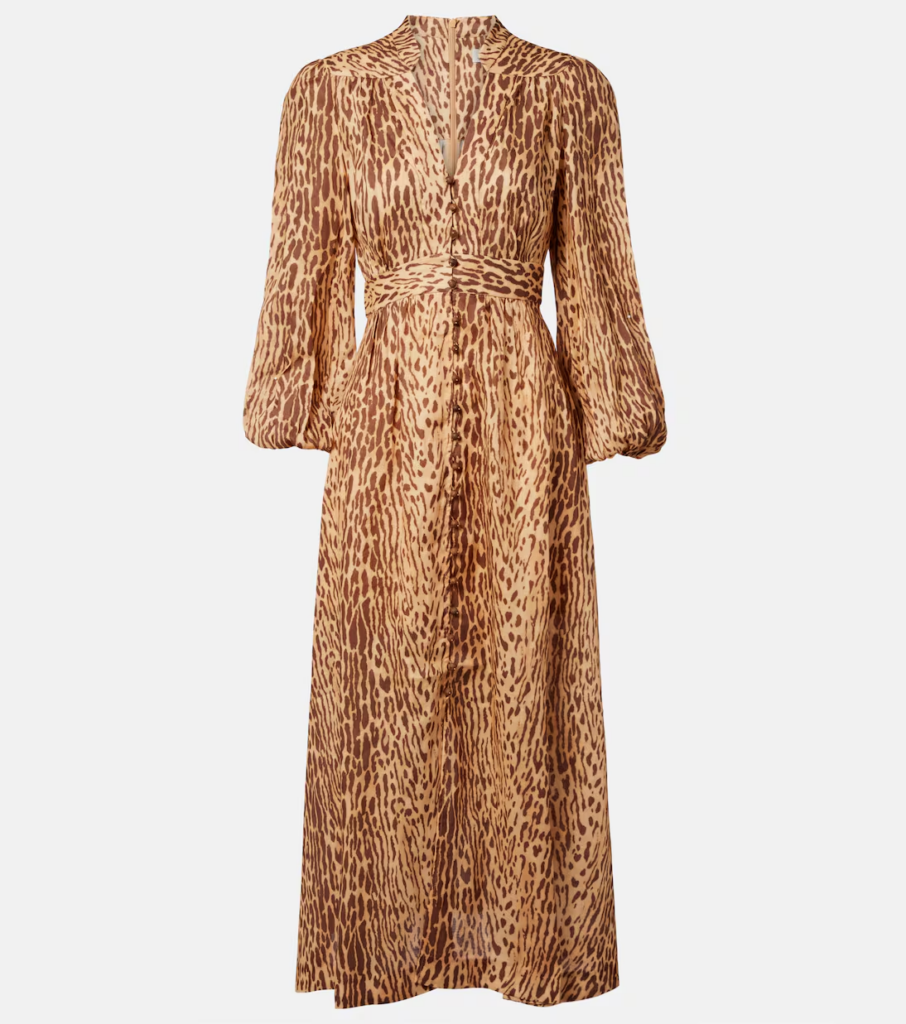
Zimmermann SS26 — Leopard was softened through flowing silhouettes and earthy palettes, proving the print works just as well in romantic dressing as it does in maximalism.
Street Style Agrees
Fashion Month street style has arguably done more to normalize leopard print than the runway itself.
Editors and buyers regularly wear:
- Leopard coats with jeans
- Leopard skirts with grey sweatshirts
- Leopard trousers with white tank tops
- Leopard bags alongside entirely monochrome outfits
- Leopard loafers with relaxed tailoring
Nobody stops to ask whether it matches anymore.
Because it almost always does.
Why It Works So Well
The secret lies in colour theory.
Unlike bright florals or neon prints, leopard print contains earthy tones already found in nature.
Brown.
Black.
Golden beige.
Soft cream.
Our eyes already recognise these shades as harmonious.
That’s why leopard print feels surprisingly effortless when paired with almost any wardrobe colour.
It functions more like textured leather than a loud graphic print.
How to Wear Leopard Print Like a Neutral
The easiest way to embrace leopard print is to stop treating it as the centerpiece.
Instead, style it the way you would any neutral.
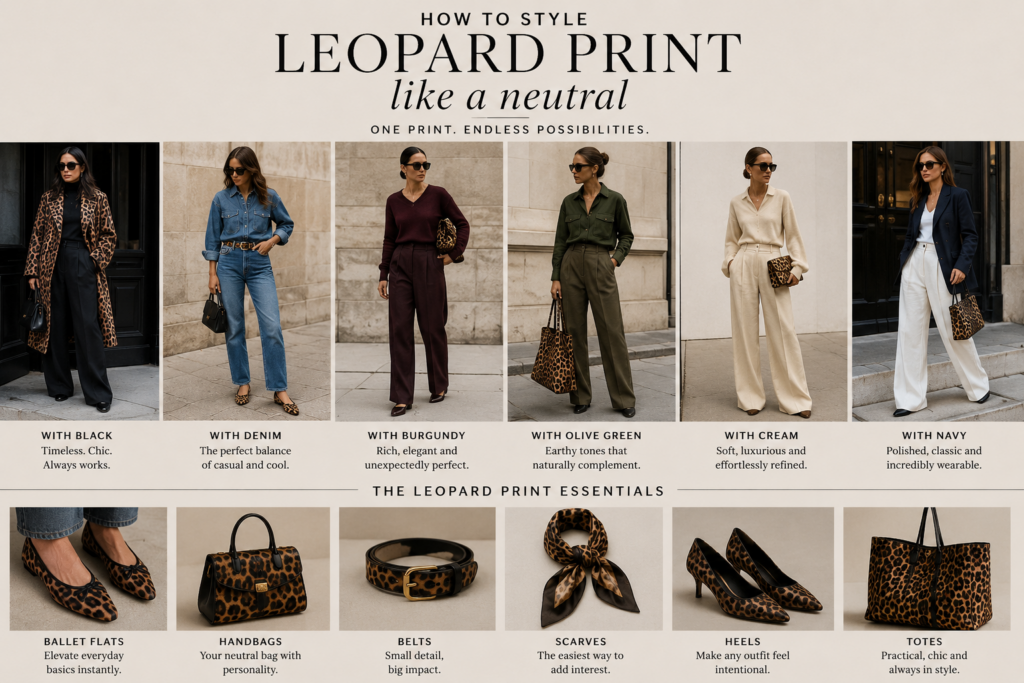
With Denim
Blue jeans and leopard print have become one of fashion’s most timeless combinations.
Whether it’s a coat, flats, or handbag, the pairing always feels balanced.
With Black
An entirely black outfit instantly gains depth with a single leopard piece.
It creates contrast without introducing another colour.
With Burgundy
One of fashion’s favourite combinations recently has been deep burgundy and leopard print.
The warm undertones complement each other perfectly.
With Olive Green
Military-inspired olive tones and leopard naturally belong together because both originate from earthy colour families.
With Cream and Camel
Perhaps the most luxurious pairing.
Soft knitwear, tailored trousers, and leopard print accessories create an understated look that feels expensive without trying too hard.
The Psychology Behind Leopard Print
There’s also a reason people keep returning to leopard print emotionally.
It communicates confidence.
Not loudness.
Confidence.
Wearing leopard says you’re comfortable taking up space, but when styled thoughtfully, it never feels forced.
It’s bold without relying on bright colour.
Classic without becoming boring.
Playful without feeling childish.
Very few prints manage all three.
So… Is Leopard Print Actually a Neutral?
Fashion has already made its decision.
Designers keep producing it.
Editors keep wearing it.
Stylists keep pairing it with everything.
Consumers keep buying it.
The evidence has been sitting in our wardrobes for years.
Maybe the question isn’t whether leopard print is a neutral.
Maybe it’s why we’re still pretending it isn’t.
The next time you reach for a black bag or a camel coat, consider swapping it for leopard print instead.
You might discover that the loudest thing about it is the reputation it never deserved.
Share This Article