

Fashion in 2026 feels deeply regional yet unmistakably global. While trends move fast, real style forms slowly—shaped by culture, climate, politics, identity, and local creativity. By culture, climate, politics, identity, and local creativity. This year, fashion trends around the world are less about uniform aesthetics and more about distinct regional voices—each interpreting style through its own lens.
From expressive American streetwear to Europe’s refined minimalism, the Middle East’s modern glamour, Asia’s innovation-driven fashion scenes, Africa’s craft-led renaissance, and Latin America’s sensual ease, here’s how the world is dressing in 2026—region by region.
United States: Maximal Expression & Street-Led Confidence
In the United States, street culture, celebrity influence, and social media virality set the pace for fashion in 2026. American style is unapologetically expressive—less about rules, more about personality. What started as micro-trends online has evolved into full-scale aesthetic movements that dominate wardrobes across cities like New York, Los Angeles, and Atlanta.
Key Fashion Trends Across the USA
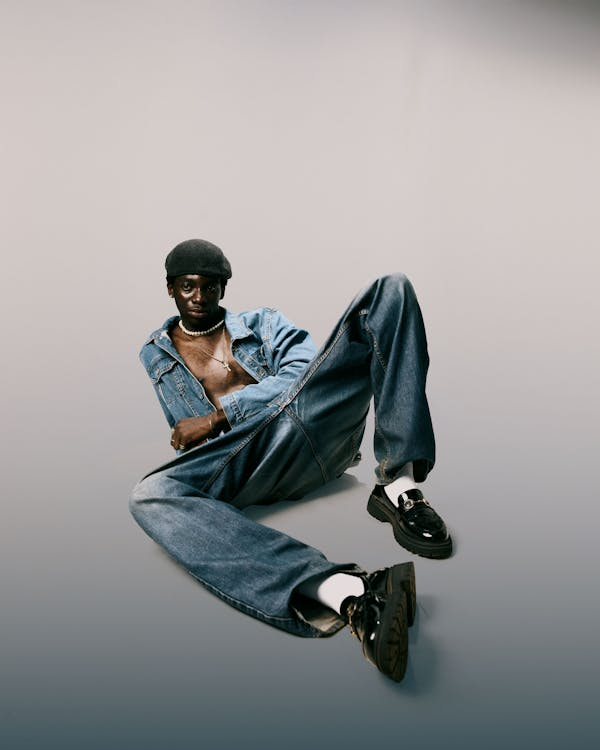
- Evolved Animal Prints: Leopard has matured into a broader animal-print moment—zebra, cow, snake, and abstract wildlife motifs appear on jackets, bags, denim, and even tailoring.
- Denim as Identity: Raw, unwashed denim, oversized jeans, and statement denim sets dominate everyday wear, moving away from overly polished finishes.
- Nostalgia Without Irony: Y2K references remain, but they feel more intentional—low-rise silhouettes paired with strong tailoring, metallics mixed with classic basics.
- Athletic Meets Glam: Sport-inspired leggings, track jackets, and bodysuits pair effortlessly with heels, tailored coats, and luxury accessories.
Brands & Designers Driving the Trend
American fashion brands like Ralph Lauren, Michael Kors, Telfar, Fear of God, Skims, and Supreme continue shaping both high fashion and everyday dressing. Celebrity-led labels and streetwear brands play a major role in exporting American aesthetics into global fashion trends across the world.
What People Are Wearing: From statement jackets to bold prints and relaxed denim, American fashion in 2026 blends photo-ready style with real-world wearability—always standing out.
Europe: Refined Minimalism with Conceptual Edge
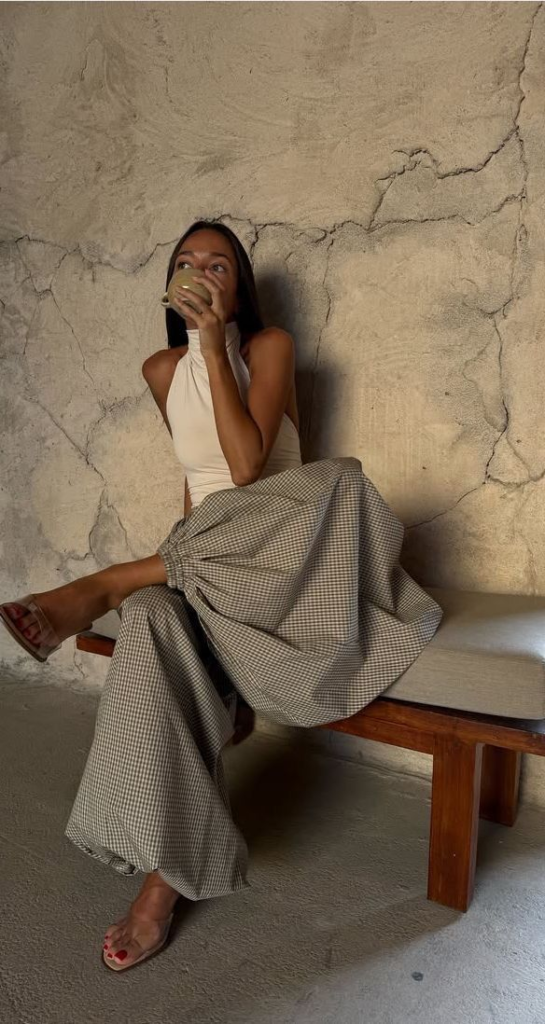
Europe sets the tone in 2026 with fashion built on craftsmanship, thoughtful restraint, and smart design. While trends emerge, they’re rarely loud—European style favors quiet impact, strong silhouettes, and thoughtful details. Across Paris, Milan, London, and Copenhagen, fashion feels intentional and elevated.
Key Fashion Trends Across Europe
- Structured Silhouettes: Sharp tailoring, sculptural shoulders, cinched waists, and architectural coats dominate collections.
- Modern Romance: Soft draping, sheer layers, and muted florals add emotion to otherwise minimalist looks.
- Pattern with Purpose: Polka dots, checks, and heritage prints appear sparingly yet purposefully, anchoring experimental shapes.
- Understated Luxury: Quality fabrics, impeccable cuts, and neutral palettes define everyday style rather than overt branding.
Brands & Designers Setting the Tone
Luxury houses like The Row, Loewe, Saint Laurent, Bottega Veneta, and Chanel continue influencing global wardrobes. Meanwhile, Scandinavian labels reinforce Europe’s reputation for wearable minimalism that quietly shapes fashion trends around the world.
What People Are Wearing: Tailored trousers, refined knitwear, elegant flats, sculptural bags, and looks that transition seamlessly from day to night. European fashion in 2026 is confident, calm, and deeply considered.
Middle East: Modern Modesty & Statement Glamour
The Middle East’s fashion scene in 2026 is one of the most exciting globally—where tradition, luxury, and innovation coexist effortlessly. Fashion here is expressive yet respectful, bold yet refined, with cities like Dubai, Riyadh, and Beirut shaping regional and international style conversations.
Key Fashion Trends Across the Middle East
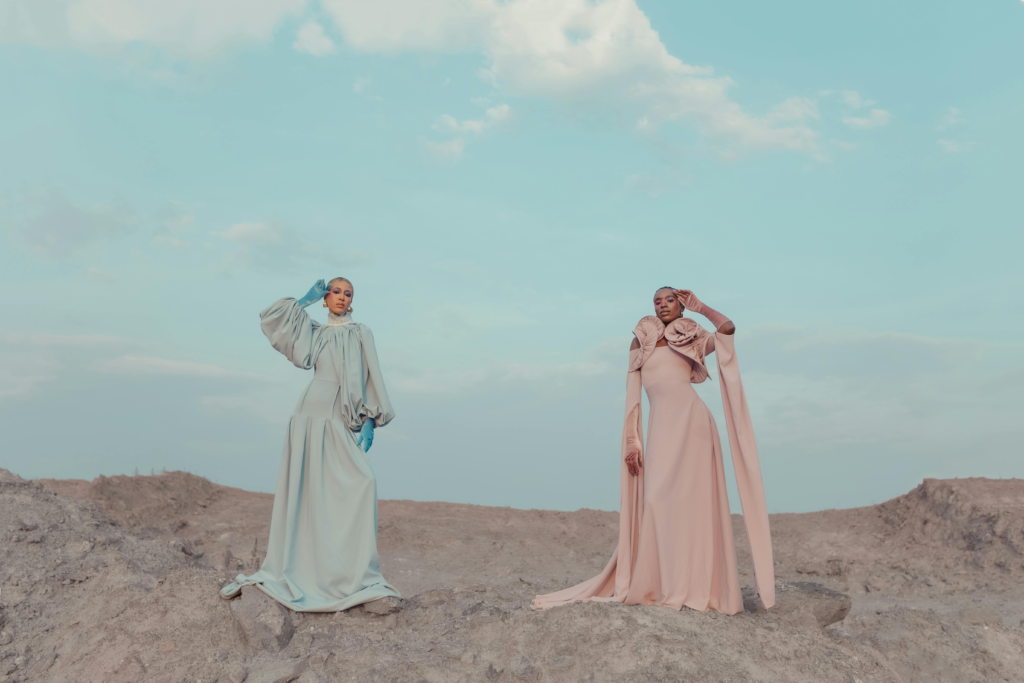
- Reimagined Modesty: Abayas, kaftans, and long silhouettes are redesigned with contemporary cuts, unexpected fabrics, and subtle embellishment.
- Soft Power Dressing: Elegant layers, flowing shapes, and powerful color choices reflect confidence without excess.
- Neutral Meets Metallic: Earthy tones—sand, stone, olive—are elevated with gold, bronze, and high-shine accents.
- Luxury Through Detail: Hand embroidery, pleating, and artisanal finishes define high-end Middle Eastern fashion.
Regional Brands Leading the Way
Designers like Heba Jasmi, Khyeli, Rizman Ruzaini, Les Benjamins, and Elie Saab influence not just regional wardrobes but fashion trends around the world, especially in luxury and occasion wear.
What People Are Wearing: Elegant layered outfits, statement eveningwear, modern abayas styled with designer accessories, and fashion that balances cultural identity with global sophistication.
Asia: Innovation, Craft & Hyper-Individual Style
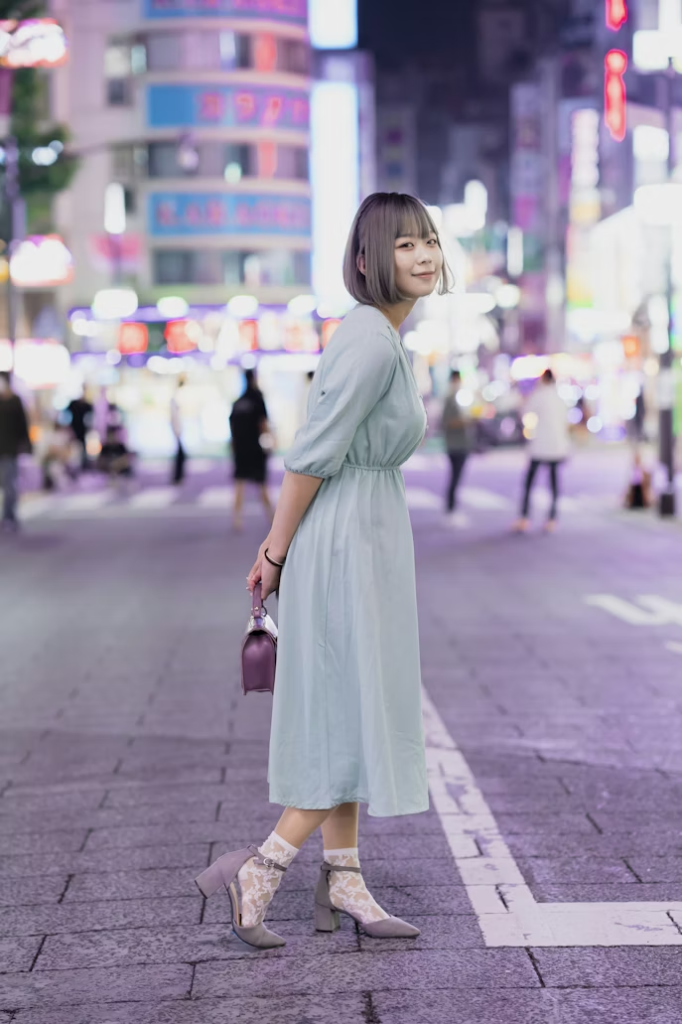
Asia’s fashion landscape in 2026 is defined by diversity, experimentation, and deep respect for craftsmanship. Rather than one dominant aesthetic, Asia offers multiple fashion capitals—each influencing global style in different ways.
Key Fashion Trends Across Asia
- Conceptual Street Style: Tokyo continues to lead with layered, playful, and avant-garde outfits that blur gender and category lines.
- Minimal Precision: Seoul’s fashion scene champions clean lines, muted tones, and perfectly proportioned silhouettes.
- Heritage Reimagined: Traditional garments and techniques are modernized—Indian embroidery, Japanese tailoring, and Chinese silhouettes appear in contemporary forms.
- Tech & Sustainability: Innovative textiles and functional fashion reflect Asia’s leadership in future-facing design.
Brands & Designers Shaping the Scene
Labels like Comme des Garçons, Issey Miyake, Sacai, Shiatzy Chen, and emerging designers from South Korea and Southeast Asia strongly influence fashion trends around the world.
What People Are Wearing: Intentional layering, artisanal details, hybrid garments, and outfits that feel personal rather than trend-dependent.
Africa: Craft, Color & Cultural Confidence
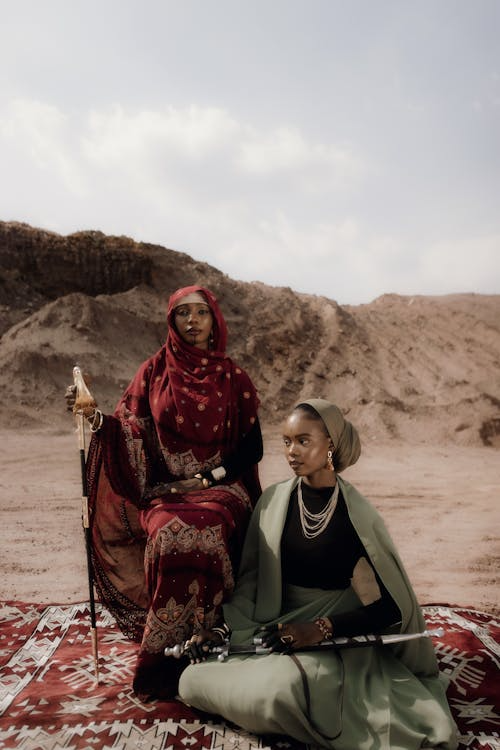
In 2026, Africa’s influence on fashion trends around the world is undeniable. African fashion is driven by storytelling, craftsmanship, and pride—positioning heritage as luxury rather than nostalgia.
Key Fashion Trends Across Africa
- Elevated Traditional Textiles: Ankara, Kente, Adire, and Aso-Oke reimagined into modern silhouettes.
- Bold Color & Pattern: Confident prints and rich hues dominate both formalwear and everyday dressing.
- Artisanal Luxury: Handwoven fabrics, embroidery, and beadwork define premium fashion.
- Fluid, Unisex Design: Versatile silhouettes challenge Western fashion norms.
Brands Leading the Movement
Designers like Thebe Magugu, Orange Culture, Tongoro, and Christie Brown are redefining African fashion on the global stage.
What People Are Wearing: Tailored sets, handcrafted accessories, statement prints, and clothing that communicates identity first.
Latin America: Sensual Ease & Tropical Modernism
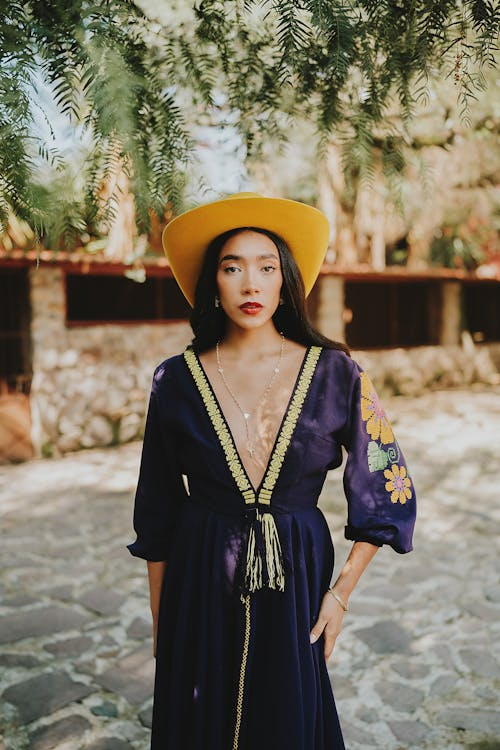
Latin America’s fashion identity in 2026 centers on movement, warmth, and emotional expression. It offers a softer alternative to rigid tailoring, influencing how the world views relaxed luxury.
Key Fashion Trends Across Latin America
- Fluid Silhouettes: Cut-outs, draping, and skin-baring designs that feel natural rather than provocative.
- Handmade Textures: Crochet, lace, linen, and artisanal techniques move beyond resortwear.
- Sun-Washed Palettes: Terracotta, ocean blues, greens, and sunset tones dominate.
- Everyday Resort Dressing: Effortless elegance becomes daily wear.
Brands Shaping the Look
Farm Rio, Johanna Ortiz, and emerging Mexican and Brazilian designers are increasingly visible globally, influencing fashion trends around the world.
What People Are Wearing: Linen sets, flowing dresses, handmade sandals, bold jewelry, and outfits designed for warmth, movement, and joy.
The Bigger Picture: What 2026 Fashion Really Means
Across every region, one truth is clear: fashion trends across the world in 2026 are driven by identity, intention, and cultural storytelling. Instead of chasing sameness, the global fashion landscape is embracing difference—and that’s where its power lies.
Fashion is no longer about following trends.
It’s about where you come from, how you live, and what you choose to express.
Join our affiliate program and start earning commissions today—sign up now!
[…] who want broader context can explore related global trends in 2026 to see how this movement reshaped the […]
Promote our products and earn real money—apply today!