







Today, fashion campaigns can be generated in minutes. AI can create perfect faces, impossible locations, and entire worlds without a photographer ever picking up a camera. But some of the most influential fashion campaigns in history achieved something technology still struggles to replicate: they made people feel something.
Long before artificial intelligence and CGI became part of the industry’s toolkit, fashion’s most groundbreaking images were built on creative risk, cultural relevance, and human instinct. These campaigns didn’t just sell products—they sparked conversations, launched careers, challenged social norms, and changed the direction of fashion itself.
Here are the fashion campaigns that rewrote the rules of advertising long before AI entered the picture.
Calvin Klein Obsession (1993): The Campaign That Captured Real Intimacy
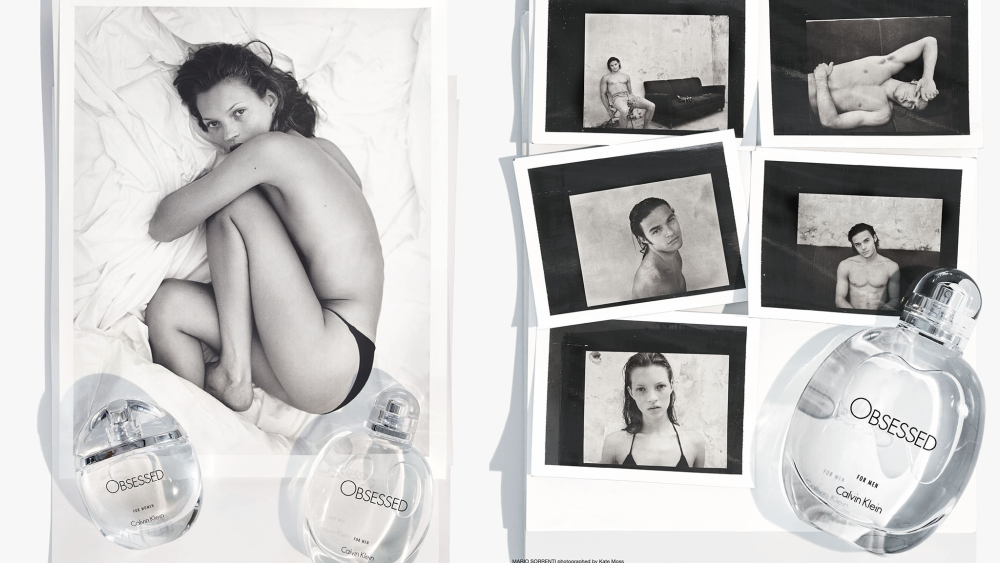
In an era increasingly dominated by polished glamour, Calvin Klein did something radically different. The brand’s Obsession campaign featured a young Kate Moss photographed by her then-boyfriend Mario Sorrenti during a trip to the Virgin Islands.
The resulting images felt deeply personal and almost voyeuristic. Rather than creating a fantasy, the campaign documented a real relationship. The photographs were raw, emotional, and imperfect—a sharp contrast to the glossy supermodel imagery dominating fashion at the time.
The campaign launched Kate Moss into fashion history and introduced the stripped-back aesthetic that would come to define the 1990s.
The Team Behind It
- Creative Director: Calvin Klein
- Photographer: Mario Sorrenti
- Art Director: Fabien Baron
- Model: Kate Moss
More than thirty years later, it remains one of the most referenced fashion campaigns ever produced.
United Colors of Benetton (1992): When Fashion Advertising Became Social Commentary
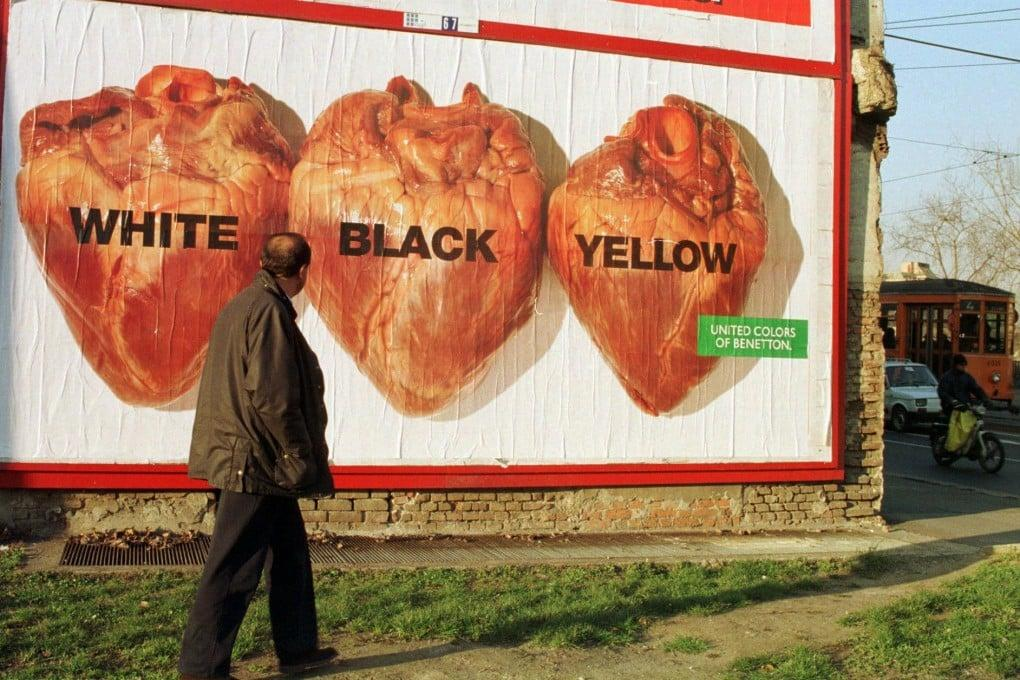
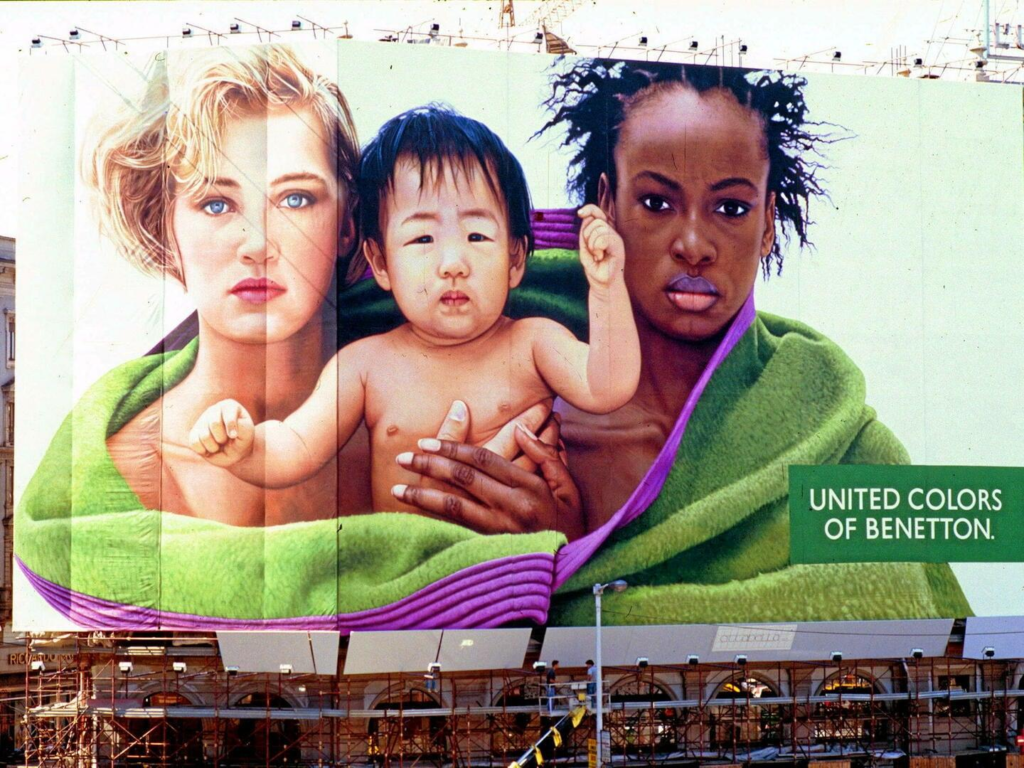
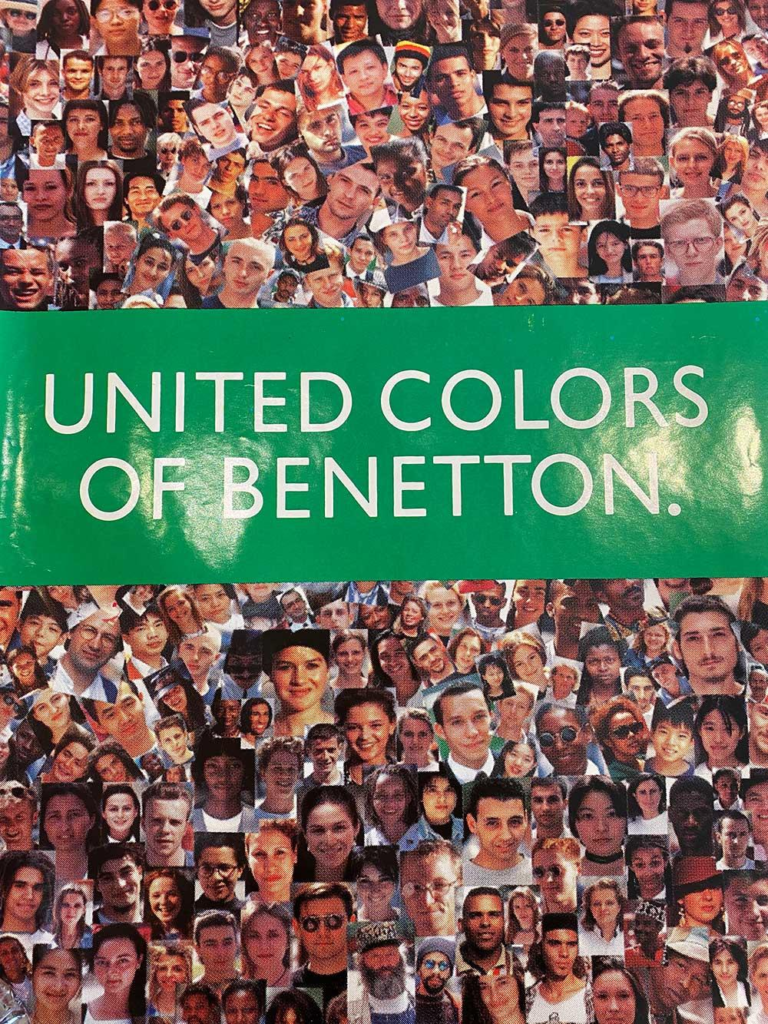
Most fashion campaigns exist to make consumers want something. Benetton wanted people to think.
Creative director Oliviero Toscani shocked the world with a series of advertisements that featured subjects rarely seen in commercial campaigns. The most controversial showed AIDS patient David Kirby surrounded by his grieving family in the final moments of his life.
There were no clothes being sold. No glamorous models. No aspirational lifestyle.
The campaign ignited global debate about the role of advertising, forcing people to confront issues of illness, discrimination, and social responsibility. Whether praised or criticized, it proved fashion advertising could carry cultural weight far beyond consumerism.
The Team Behind It
- Creative Director: Oliviero Toscani
- Brand Founder: Luciano Benetton
Few fashion campaigns have generated as much discussion—or controversy—before or since.
Calvin Klein Jeans Featuring Brooke Shields (1980): The Birth of Modern Fashion Advertising
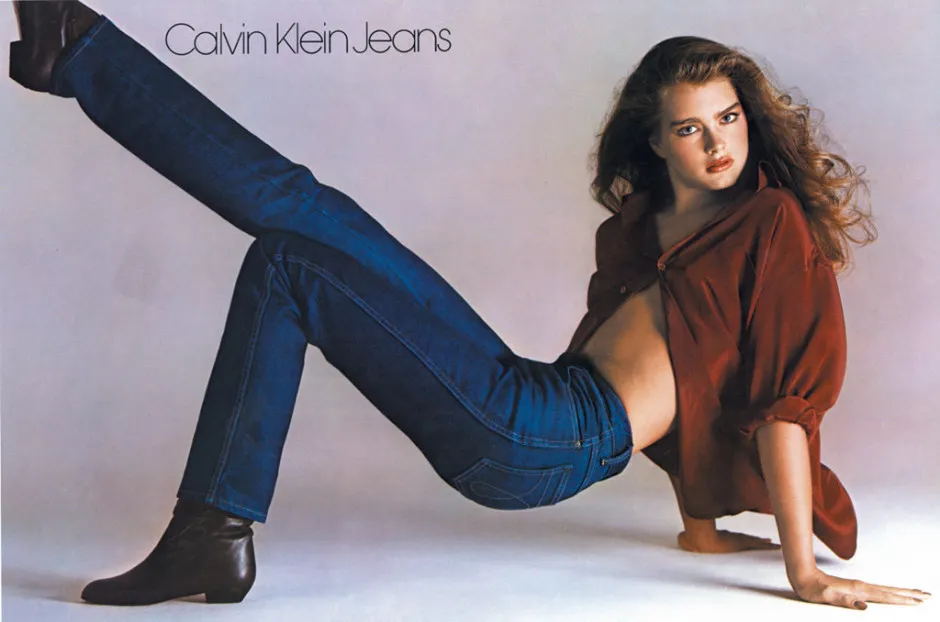
Fashion advertising changed forever when Brooke Shields looked into the camera and delivered one of the most famous lines in marketing history:
“You want to know what comes between me and my Calvins? Nothing.”
At just fifteen years old, Shields became the face of a campaign that blurred the line between fashion, celebrity, and popular culture. The advertisements sparked outrage, generated headlines worldwide, and transformed Calvin Klein from a designer label into a household name.
More importantly, the campaign shifted fashion advertising away from simply showcasing clothing. It sold attitude, aspiration, and identity—a strategy that luxury brands still use today.
The Team Behind It
- Designer: Calvin Klein
- Photographer: Richard Avedon
- Talent: Brooke Shields
Many industry insiders consider it one of the most influential fashion campaigns ever created.
Gucci Fall/Winter 1995: The Campaign That Saved a Fashion House
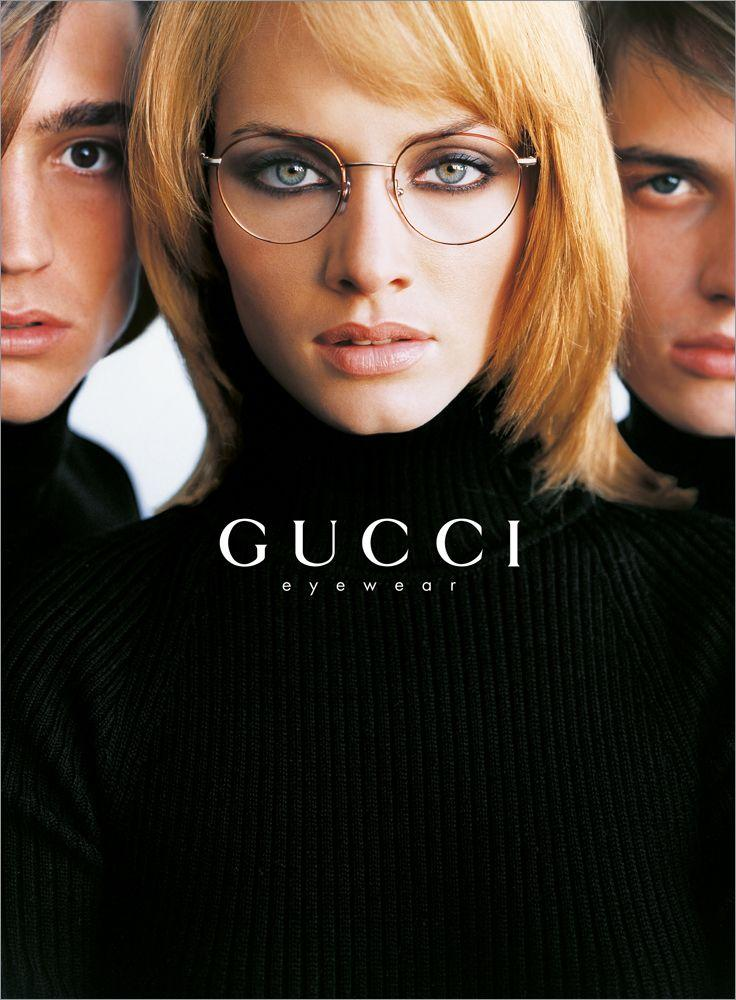
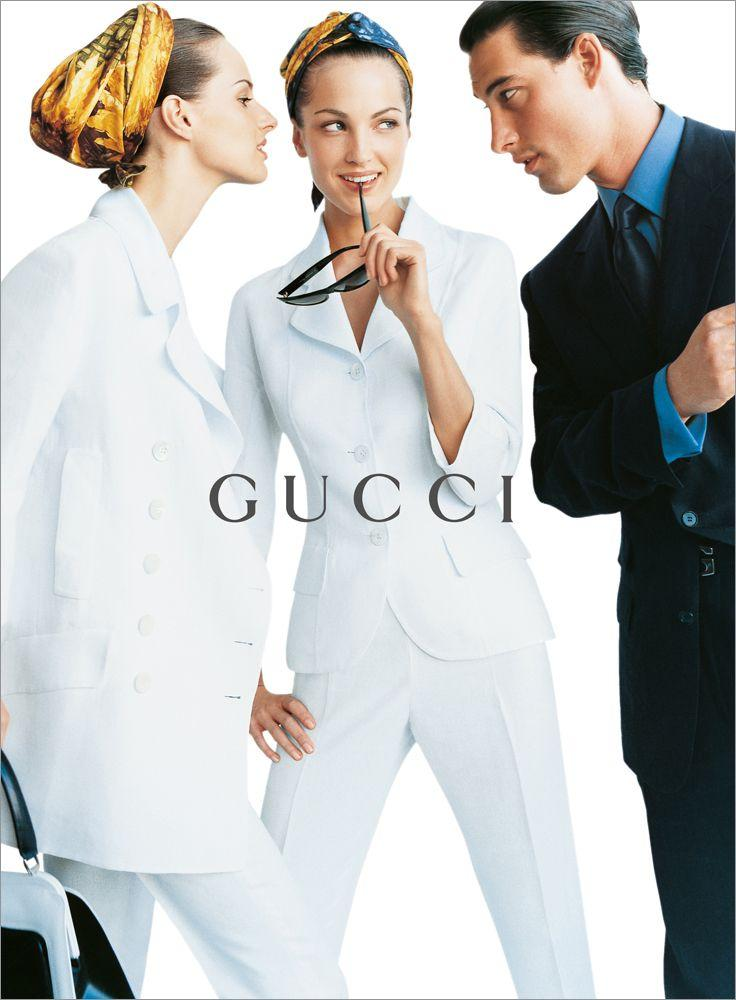
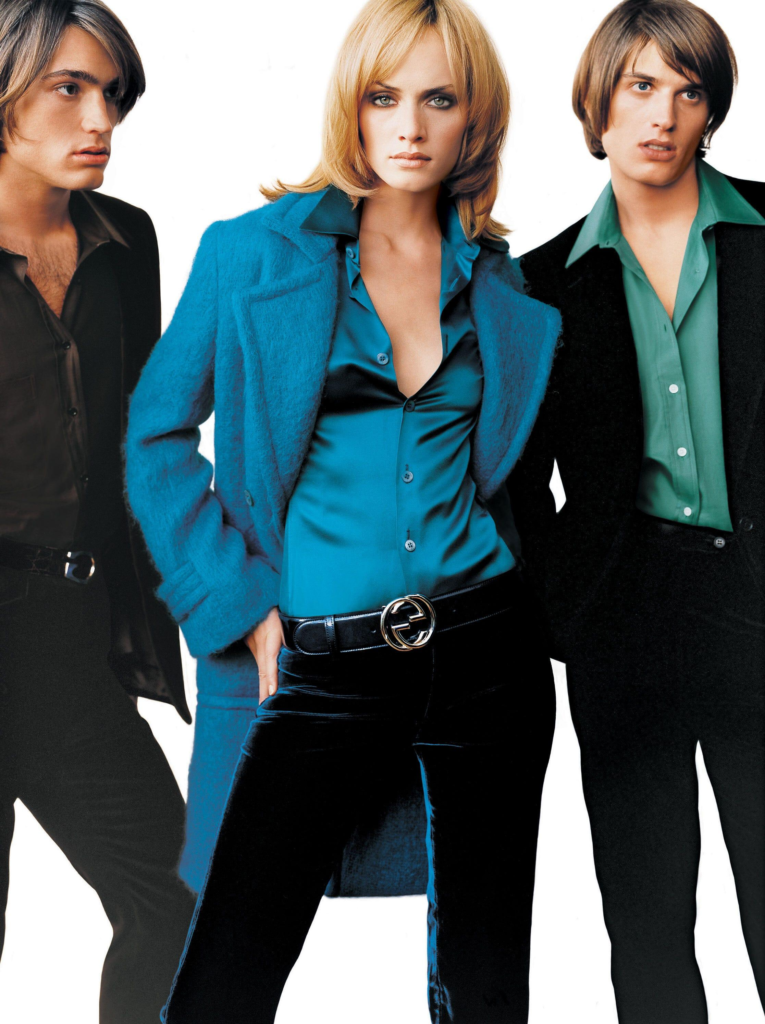
By the mid-1990s, Gucci was struggling. Then came Tom Ford.
Together with photographer Mario Testino and stylist Carine Roitfeld, Ford created a visual language that felt provocative, glamorous, and impossible to ignore. Velvet shirts unbuttoned to the waist, sleek silhouettes, and overt sensuality defined a new era for luxury fashion.
The campaign didn’t simply advertise clothing—it reinvented Gucci’s entire identity.
Within a few years, the brand had become one of the most desirable names in fashion, while competitors rushed to imitate the aesthetic that Ford had pioneered.
The Team Behind It
- Creative Director: Tom Ford
- Photographer: Mario Testino
- Stylist: Carine Roitfeld
Its influence can still be seen in luxury advertising today.
Versace Fall/Winter 1994: The Supermodel Era Reaches Its Peak
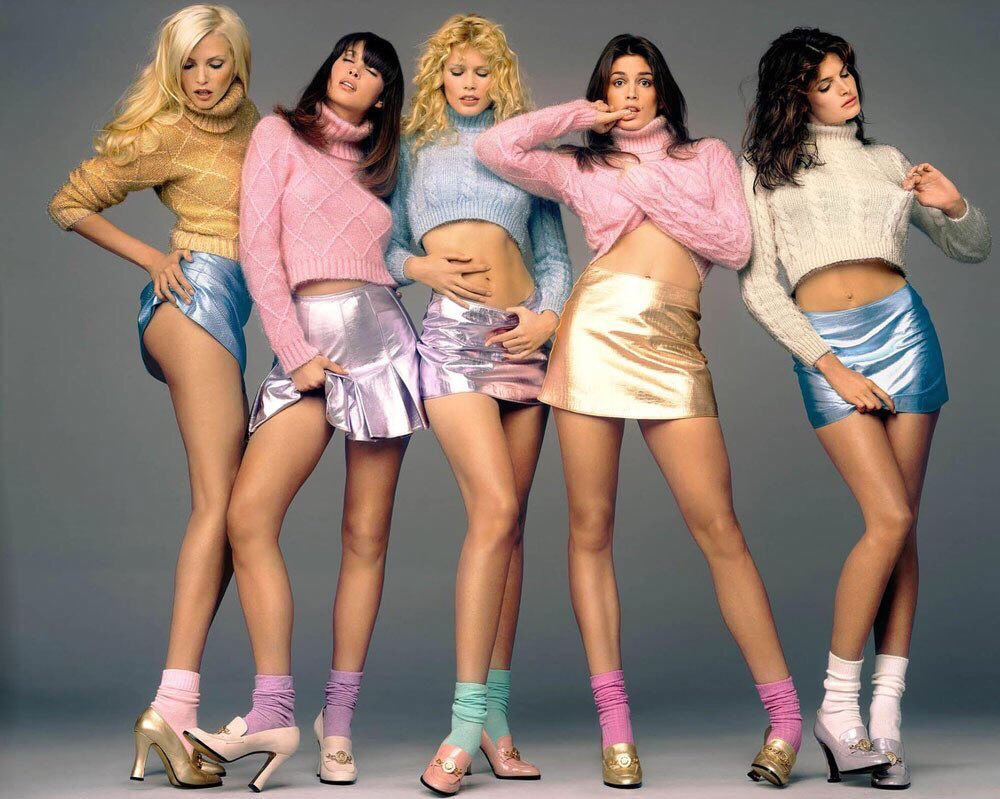
Before influencers dominated social media, fashion had supermodels.
Gianni Versace understood their power better than anyone. His iconic Fall/Winter 1994 campaign united Naomi Campbell, Cindy Crawford, Christy Turlington, and Linda Evangelista at the height of their fame.
The campaign transformed models into global celebrities and elevated fashion advertising into mainstream entertainment. Suddenly, the personalities wearing the clothes became just as important as the collections themselves.
It was glamorous, bold, and larger than life—the perfect reflection of 1990s fashion.
The Team Behind It
- Designer: Gianni Versace
- Photographer: Richard Avedon
- Models: Naomi Campbell, Cindy Crawford, Christy Turlington, Linda Evangelista
Few fashion campaigns have captured an era so completely.
Yves Saint Laurent Opium (2000): The Ad Everyone Had an Opinion On
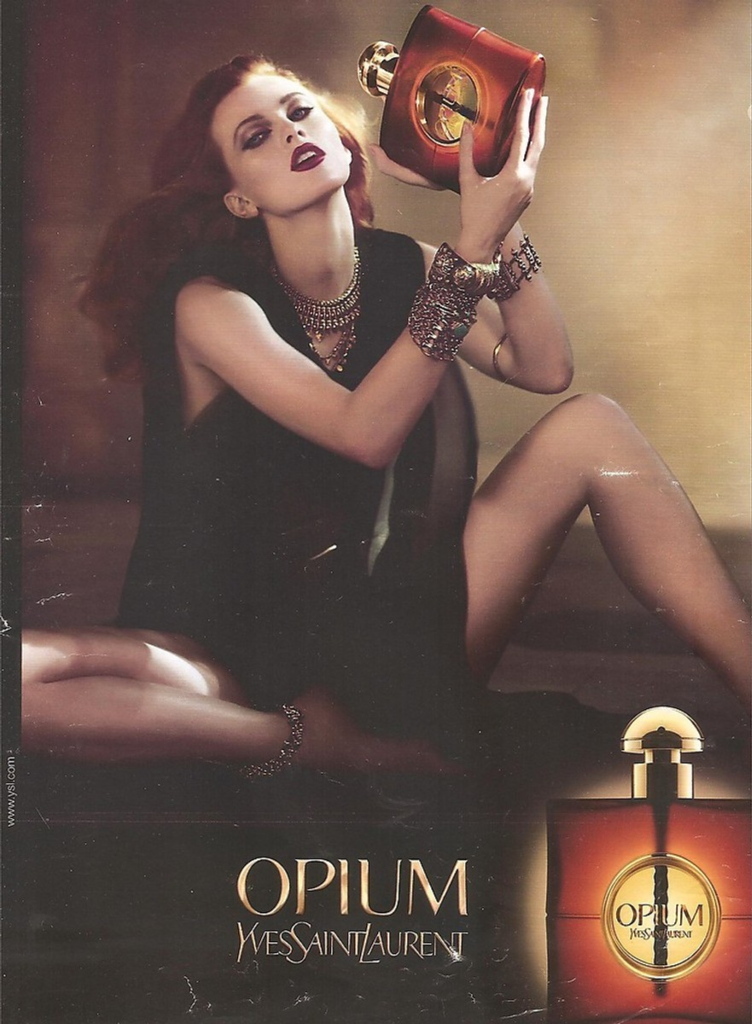
Some advertisements sell products. Others become cultural flashpoints.
The Opium fragrance campaign starring Sophie Dahl achieved the latter. Photographed by Steven Meisel, the image featured Dahl reclining nude in a pose that sparked immediate debate across the fashion world.
The campaign was criticized, celebrated, censored, and discussed in equal measure. Yet its impact was undeniable. It demonstrated the extraordinary power a single image could have before the age of social media.
Fashion advertising was no longer confined to magazines—it became headline news.
The Team Behind It
- Creative Director: Tom Ford
- Photographer: Steven Meisel
- Model: Sophie Dahl
More than two decades later, it remains one of fashion’s most controversial images.
The Power of these Fashion Campaigns
Today’s technology can generate flawless visuals with remarkable speed. Yet many of the industry’s most memorable images were created without AI, CGI, or digital shortcuts.
What made these fashion campaigns extraordinary wasn’t perfection. It was originality.
They captured real relationships, real cultural moments, real controversy, and real human emotion. They challenged conventions, pushed boundaries, and gave fashion a voice far beyond clothing.
As artificial intelligence reshapes the creative industry, these campaigns serve as a reminder of what made fashion advertising so powerful in the first place: a bold idea, a talented creative team, and the courage to create something the world had never seen before.
Because long before AI could generate an image, great fashion campaigns were generating culture.
Share This Article