







Spain’s World Cup win introduced the world to a new version of themselves.
Every World Cup champion becomes a symbol of its time. Brazil represented flair. Germany represented discipline. Spain’s golden generation of 2010 became synonymous with tiki-taka, producing legends like Xavi, Andrés Iniesta and Sergio Ramos.
Sixteen years later, Spain has another World Cup—but this team tells a different story.
It isn’t just younger. It reflects a country that has evolved.
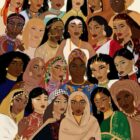
Look at the squad. Lamine Yamal, one of football’s brightest stars, was born in Spain to a Moroccan father and an Equatorial Guinean mother. Nico Williams was born in Pamplona after his Ghanaian parents migrated to Spain in search of a better life. Dean Huijsen, born in the Netherlands, chose to represent Spain internationally after growing up in the country’s football system. Together, they represent a generation whose identities don’t fit into one box.
That’s what made this victory feel significant.
Across Europe, immigration and national identity continue to dominate political conversations. Yet Spain’s biggest sporting achievement came through a squad that reflects the reality of modern Europe: multicultural, multilingual and shaped by movement across borders. Rather than challenging what it means to be Spanish, these players expand that definition.
This wasn’t simply Spain winning.
It was modern Spain winning.
The changing identity of the squad was reflected in the football itself. There was no single superstar carrying the nation on his shoulders. Spain won because every player understood their role. Their football was fluid, disciplined and collective—a reminder that in an era obsessed with individual brands and highlight reels, teamwork still wins championships.
That philosophy extends beyond the pitch. Success wasn’t built overnight or bought through a single generation of talent. It came from years of investing in youth development, trusting academy players and creating an identity that begins long before players wear the national shirt. While many countries search for quick fixes, Spain continues to prove that culture outlasts shortcuts.
But football today is about more than tactics.
The modern footballer isn’t just an athlete; they’re a cultural figure. Tunnel walks have become fashion runways. Luxury houses compete to dress football’s biggest names. Jerseys appear on city streets and Fashion Week front rows alike. Players like Lamine Yamal belong to a generation that’s just as comfortable influencing style as they are influencing matches. Football has become one of fashion’s biggest cultural forces, and Spain’s young stars embody that shift effortlessly.
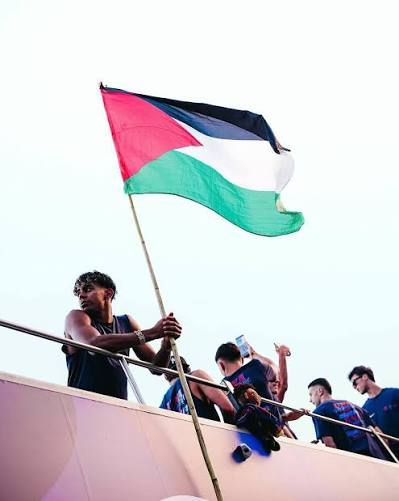
Spain also arrived at this tournament with an international identity that extends beyond sport. In recent years, the Spanish government has been among Europe’s most outspoken supporters of Palestine, taking diplomatic positions that have distinguished it from many of its Western allies. That political stance has shaped how many people around the world perceive Spain. While football and politics shouldn’t be confused—and one doesn’t explain the other—countries rarely arrive on the global stage carrying only one story. Sport, culture and politics often exist alongside one another, influencing how nations are seen beyond the final score.
Perhaps that’s why this World Cup felt bigger than football.
It wasn’t just about replacing a generation of legends. It was about watching a new generation define success on its own terms. A team built on diversity rather than uniformity. On collective brilliance rather than individual celebrity. On confidence without nostalgia.
Spain didn’t spend this tournament trying to recreate 2010.
They created something that belongs entirely to 2026.
And that’s what champions often do. They don’t just win trophies.
They show us what the future looks like.
Share This Article