




Looking good has never been particularly cheap, but lately, it feels like being beautiful has become a subscription service. There is the skincare routine, the hair appointments, the nails, the injectables, the supplements, the expensive gym membership, the laser treatments and the endless products promising to fix something you probably never thought was broken. Somehow, the pursuit of beauty has turned into a second monthly rent payment.
And the list keeps growing.
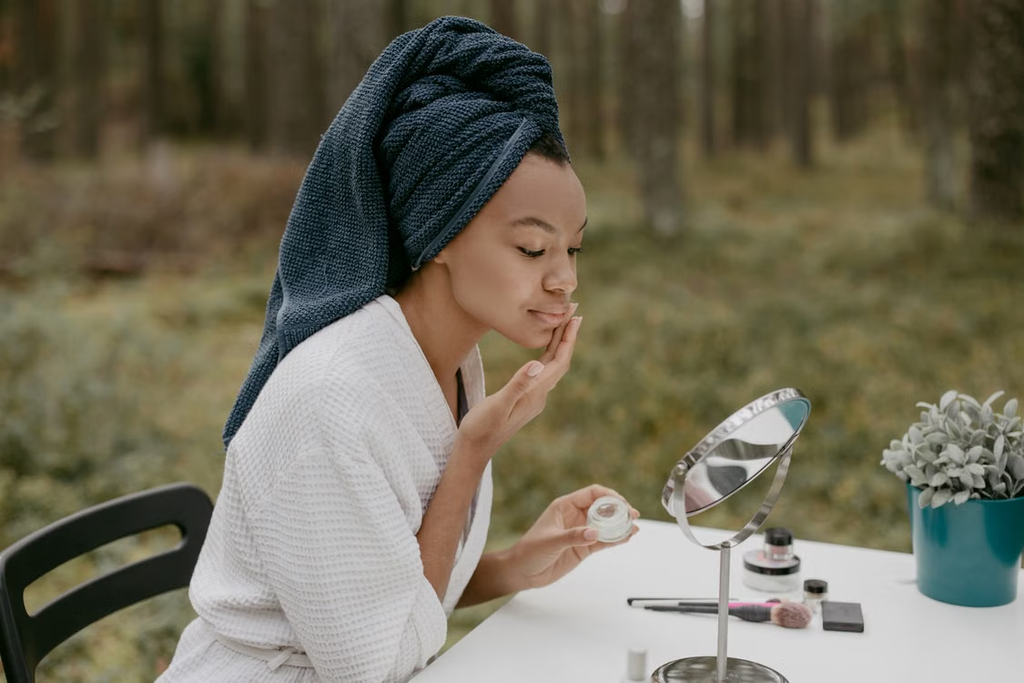
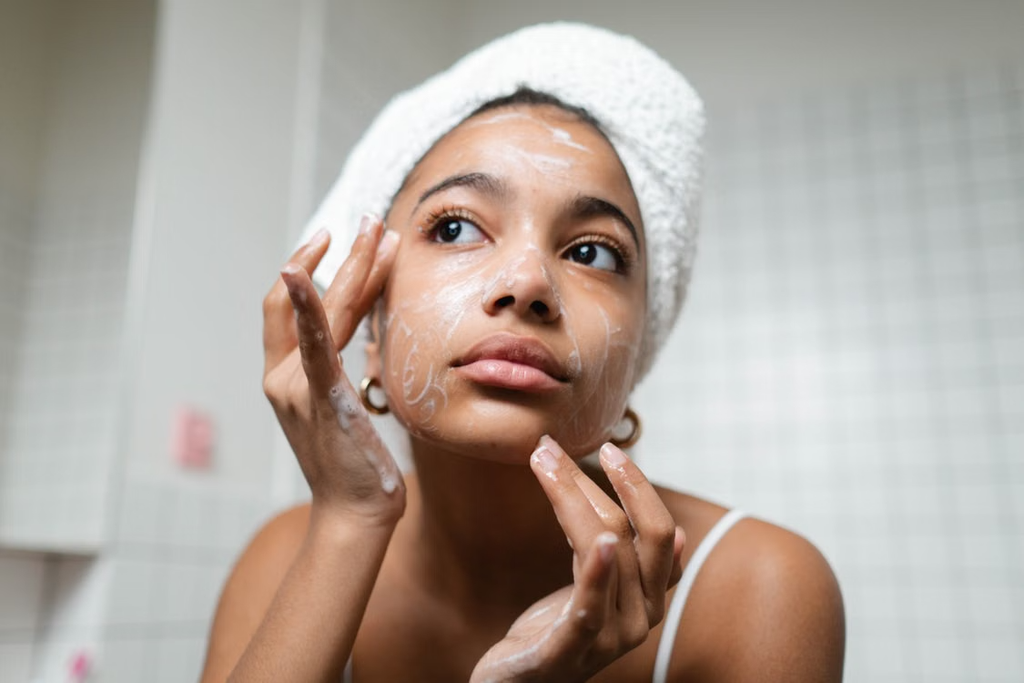
What was once considered a little self-care has evolved into a full-time financial commitment. A good moisturizer is no longer enough. Now, you need a serum for your skin barrier, another for pigmentation, a retinal for aging, an eye cream for tiredness and a separate treatment for the texture you didn’t notice until someone on TikTok pointed it out. Even the most basic beauty routines are becoming increasingly elaborate, expensive and, frankly, exhausting.
The cost of beauty is no longer just about buying a lipstick or booking a haircut. It is about the growing expectation that looking good requires constant investment. Somewhere along the way, beauty stopped being something we enjoyed and became something we were expected to maintain.
The Never-Ending Beauty Shopping List
There was a time when a beauty routine consisted of a cleanser, moisturizer and perhaps a favorite perfume. Today, the average consumer is being introduced to an entirely new category of products every few months. Skin cycling, slugging, skin barrier repair, peptide treatments, collagen supplements, LED masks and at-home microneedling devices. Each trend arrives with its own shopping list, often convincing us that whatever we currently own is no longer enough.
The problem isn’t that these products exist. Innovation in beauty can be exciting, and having access to better skincare, treatments and technology is something worth celebrating. The problem is how quickly the industry turns every new discovery into another perceived necessity.
A skincare routine can easily become a ten-step investment, while a single viral product can send thousands of people searching for something they didn’t even know existed a week earlier. Beauty marketing has become incredibly good at creating a problem and then selling us the solution.
Your pores are too visible. Your skin lacks radiance. Your hair needs more volume. Your face needs lifting. Your body needs sculpting. There is always something to improve, and conveniently, there is always something available to buy.
The cost of beauty grows when the goalposts keep moving. You are not simply buying products anymore. You are buying into the idea that there is always a better version of yourself waiting on the other side of your next purchase.
The Rise of Maintenance Culture
Perhaps the biggest shift in modern beauty is that maintenance has become the expectation.
Looking polished is no longer framed as an occasional effort. Instead, there is an entire culture built around looking effortlessly put together, even when achieving that appearance requires considerable time, money and planning.
Consider the modern beauty maintenance list. Regular hair coloring, manicures, pedicures, brow appointments, facials, laser hair removal, professional skincare treatments, gym memberships and, increasingly, cosmetic procedures. Individually, these things might seem manageable. Together, they create a surprisingly expensive lifestyle.
Then there is the pressure to maintain the results. Hair needs refreshing, nails need filling, treatments need repeating and skincare products need replenishing. Beauty has become less about the occasional transformation and more about an ongoing cycle of upkeep.
Social media has only accelerated this expectation. We are constantly exposed to people who appear perfectly groomed, with flawless skin, glossy hair, sculpted features and seemingly effortless routines. What we rarely see is the financial infrastructure behind those appearances.
The monthly appointments. The gifted products. The professional treatments. The carefully curated routines.
What looks effortless often comes with a very real price tag.
And when this level of maintenance becomes normalized, doing less can start to feel like falling behind.
The Business of Making You Feel Incomplete
The beauty industry does not simply sell products. It sells aspiration, insecurity and the promise of transformation.
Its most successful marketing strategy is arguably making consumers feel that something about them needs fixing. Fine lines become signs of neglect. Natural texture becomes a skin concern. Aging becomes something to fight. Even perfectly normal features are increasingly presented as imperfections waiting to be corrected.
This is where beauty consumerism becomes particularly interesting. The industry benefits from an endless cycle of dissatisfaction. If consumers were entirely happy with what they already owned, there would be considerably less incentive to purchase the next serum, treatment or miracle device.
Instead, the messaging is constantly evolving. One year, the focus is anti-aging. The next, it is preventative aging. Then comes skin longevity, collagen preservation and the latest ingredient supposedly capable of changing everything.
There is always a new concern to address and a new product positioned as the answer.
The beauty industry is worth hundreds of billions of dollars globally, and its growth is fueled by an appetite for constant consumption. Brands compete for attention through product launches, influencer partnerships, limited editions and increasingly sophisticated marketing. The objective is not simply to convince you that a product is good. It is to convince you that you need it.
And perhaps that is the most expensive part of modern beauty. The feeling that you are never quite finished.
TikTok Made Beauty More Accessible. And More Expensive.
Social media has undeniably democratized beauty. Consumers now have access to tutorials, product reviews, ingredient breakdowns and recommendations that were once reserved for industry insiders. You no longer need to visit a department store beauty counter to discover a new brand or understand what a particular ingredient does.
However, this accessibility has created another problem. We are now exposed to an almost endless stream of products, routines and beauty standards.
One creator recommends a new vitamin C serum. Another insists that you need a different cleanser. Someone else introduces a luxury hair mask, an expensive LED face mask or a supplement that supposedly transforms your skin from within.
Before long, your carefully edited shopping list has become a full-blown beauty wishlist.
Influencer culture has also blurred the line between genuine recommendations and commercial persuasion. Products are seamlessly integrated into everyday content, making shopping feel less like spending money and more like participating in a lifestyle.
The result is a particularly effective form of consumerism. We are not always buying because we need something. Sometimes, we are buying because we have been made to feel that everyone else already has it.
The cost of beauty is therefore not limited to what appears on a receipt. There is also the constant psychological pressure to keep up with an industry that never stops introducing something new.
When Looking Natural Requires the Most Work
There is another contradiction worth discussing. While beauty trends increasingly celebrate natural skin, effortless hair and minimal makeup, achieving this supposedly low-maintenance appearance can require an extraordinary amount of maintenance.
The no-makeup makeup look still involves complexion products, concealer, brow grooming, lash treatments and carefully selected skincare. The effortless blowout requires the right tools, products and appointments. Even the clean girl aesthetic has developed its own extensive beauty checklist.
In other words, natural has become another look to purchase.
We are increasingly sold the idea that the best version of beauty is one that looks untouched, even when it involves professional treatments, expensive products and hours of preparation.
This creates a strange paradox. We want to look like we are doing less, but the industry continues to convince us to do more.
Perhaps the real luxury is no longer having the newest beauty product. It is feeling comfortable enough not to need it.
Can We Afford to Redefine Beauty?
None of this is an argument against enjoying beauty. There is nothing wrong with investing in a good skincare routine, getting your hair done, experimenting with makeup or spending money on treatments that make you feel confident. Beauty can be creative, expressive and genuinely enjoyable.
But there is a difference between choosing to invest in yourself and feeling financially obligated to maintain an ever-changing standard.
We should be able to enjoy beauty without feeling that every aspect of our appearance requires professional intervention. We should be able to age without treating every new line as an emergency. We should be able to repeat a favorite product without being convinced that the latest launch has made it obsolete.
More importantly, we need to become more intentional consumers. That means questioning whether we actually need another product, understanding what works for us and recognizing when marketing is playing on our insecurities.
The beauty industry will continue to innovate, launch and sell. That is unlikely to change. What can change is our relationship with it.
Because the cost of beauty should not be measured by how much money we spend trying to achieve an increasingly unrealistic standard. Nor should confidence become something we feel obliged to purchase.
At some point, we have to ask ourselves who benefits from the idea that we are never quite beautiful enough.
Looking good should be something we get to enjoy, not another financial responsibility we are expected to keep up with. And if beauty is supposed to make us feel better about ourselves, perhaps it is time we stopped allowing the industry to make us feel like we need more of it.
Share This Article