




Fashion Psychology: 11 Ways Your Clothes Can Affect Your Mood

Have you ever noticed how slipping into your favorite outfit instantly makes you feel better? That’s not a coincidence—it’s fashion psychology at work. This fascinating field explores the link between what we wear and how we think, feel, and behave. Whether it’s a cozy hoodie, a structured blazer, or bold red lipstick, your wardrobe choices play a major role in your mood and self-perception.
In this article, we’re diving into Fashion Psychology 101, with 11 surprising (and science-backed!) ways your clothes impact your confidence, emotions, and energy.
1. Color Has a Psychological Effect
Colors influence how we feel more than we realize. Fashion psychology suggests that:
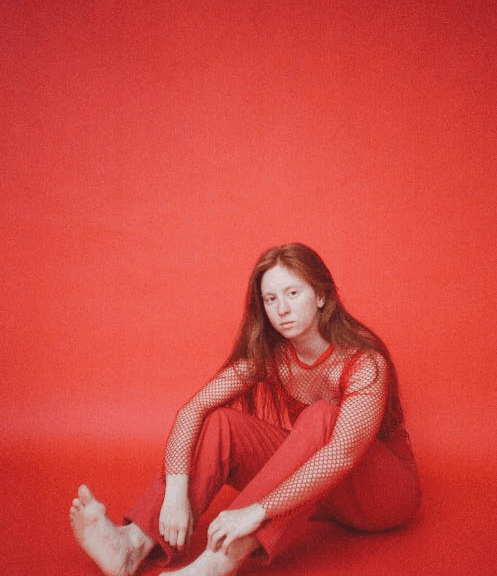
- Red boosts confidence and draws attention.
- Blue evokes calm and trust.
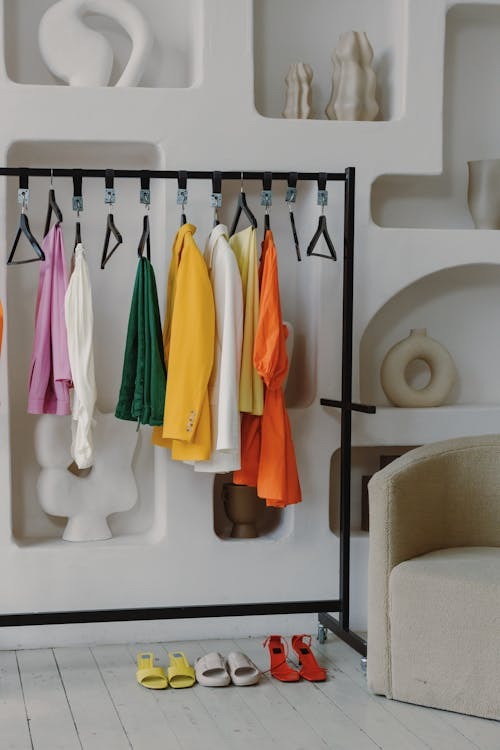
- Yellow can lift your spirits and promote creativity.
Wearing colors intentionally can elevate or balance your mood throughout the day
2. Power Dressing Actually Works
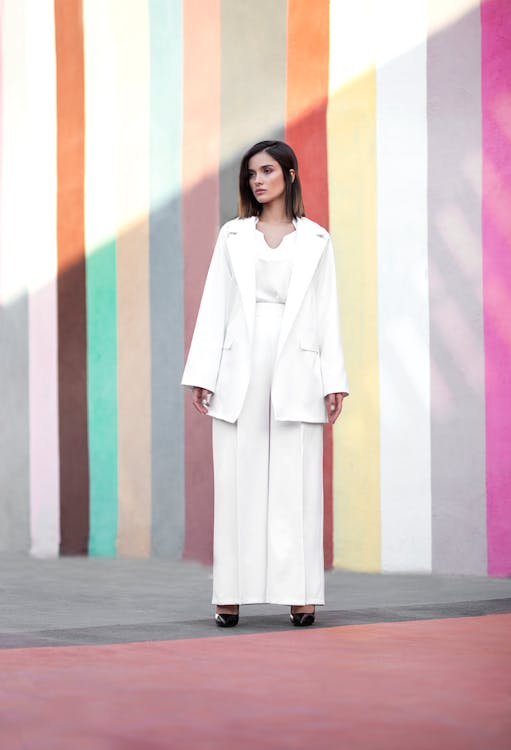
There’s a reason structured suits, sharp tailoring, and statement accessories are associated with confidence. Known as “enclothed cognition,” fashion psychology proves that dressing the part can shift your mindset—making you feel more powerful and capable.
3. Comfort = Confidence
Clothing that’s too tight, scratchy, or restrictive can cause low-level stress all day. Comfortable, well-fitting clothes create ease and flow, boosting both mood and productivity. Learn how to feel confident in your everyday outfits here.
4. Outfits Can Be a Mood Reset
Feeling down? Changing your outfit can act like an emotional refresh. Throwing on a vibrant dress, a favorite shirt, or something that makes you feel “put together” can offer an instant mood lift.
5. What You Wear Impacts How Others Treat You
Fashion psychology shows that people respond to us based on our appearance—and that feedback loop can influence how we feel about ourselves. Dressing with intention often leads to more positive social interactions, reinforcing self-esteem.
6. Dopamine Dressing Is Real
This trend in fashion psychology involves wearing clothes that spark joy—through color, texture, or memories attached to them. Think: sequins on a Tuesday or a nostalgic band tee. If it makes you smile, it boosts your mood.
7. Wardrobe Choices Reflect Self-Image
Your clothing is often an outward reflection of how you see yourself. By upgrading your wardrobe—even slightly—you signal self-worth and pride in who you are becoming, not just who you’ve been.
8. Rituals Around Dressing Create Routine and Resilience
The act of getting dressed every morning can become a grounding ritual. Especially in uncertain times, choosing outfits intentionally creates structure, reduces decision fatigue, and enhances stability.
9. Dressing Up for No Reason Boosts Joy
Waiting for a special occasion to dress up? Don’t. Fashion psychology encourages us to wear what we love now. Looking good for yourself—rather than for others—can significantly boost internal confidence.
10. Style Can Be a Form of Emotional Armor
On hard days, fashion gives us a protective shield. A bold lip, a structured coat, or edgy boots can make us feel stronger. It’s not about hiding—it’s about empowering.
11. Clothing Can Trigger Positive Memories
A cozy sweater from a family trip, your graduation outfit, or the dress you wore on a first date—clothing holds emotional memory. Wearing these pieces can spark nostalgia and joy, improving overall well-being.
Final Thoughts
Fashion psychology isn’t just about trends or aesthetics—it’s about how your wardrobe can serve your emotional and mental health. The next time you open your closet, think beyond just “what looks good.” Ask: How do I want to feel today?
Because when your clothes align with your mindset, confidence naturally follows.
Ready to dress for your mood? Start with your favorite piece—and let fashion psychology do the rest.
Share This Article