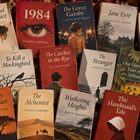








There are books you read, books you recommend, and books that make you wonder why you waited so long to pick them up. Then there are the books that somehow find their way into every cultural conversation, film reference, dinner party debate and personality description.
We all know someone who claims to be a reader but has somehow avoided Pride and Prejudice. Or someone who has strong opinions about society but has never opened 1984. No judgment, but perhaps it is time to change that.
Reading classics isn’t about proving how intellectual you are or working your way through a list of books you were supposed to read in school. It is about understanding the stories, characters and ideas that have shaped generations. Some will make you fall in love, others will make you question everything, and a few might leave you staring at the ceiling long after the final page.
From literary romances to psychological thrillers and social commentary, these are the classic books everyone should read at least once. Consider this your unofficial reading list.
1. Pride and Prejudice by Jane Austen
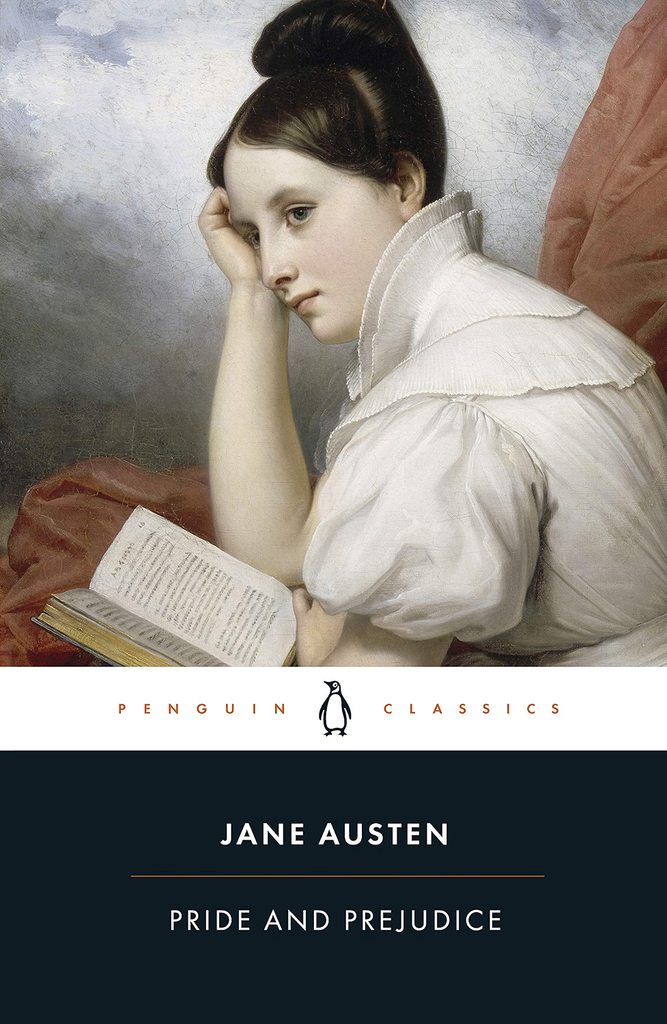
If there is one book that deserves a permanent place on your bookshelf, it is Pride and Prejudice. First published in 1813, Jane Austen’s masterpiece follows Elizabeth Bennet as she navigates love, family expectations, class and the complicated business of choosing a husband.
At its heart, however, this is not simply a love story. It is a sharp observation of society, female independence, social status and the assumptions we make about other people.
Elizabeth Bennet remains one of literature’s most recognizable female characters for a reason. She is opinionated, intelligent, occasionally stubborn and entirely unwilling to settle for less than she believes she deserves.
Read it if: You love romantic tension, sharp dialogue, complicated relationships and a heroine who refuses to play by society’s rules.
2. 1984 by George Orwell
Some books feel more relevant with every passing year. 1984 is one of them.
George Orwell’s dystopian novel imagines a world governed by constant surveillance, propaganda, censorship and a government that controls not only what people do but what they are allowed to think.
The story follows Winston Smith, a man living under the watchful eye of Big Brother, who begins questioning the reality imposed upon him.
What makes this novel so unsettling is how much of its language has entered everyday conversation. Terms such as Big Brother, thoughtcrime and doublethink have become part of our cultural vocabulary.
It is uncomfortable, thought provoking and occasionally frightening. More importantly, it reminds us why independent thought and freedom of expression matter.
Read it if: You enjoy political fiction, psychological tension and books that make you question the world around you.
3. The Great Gatsby by F. Scott Fitzgerald
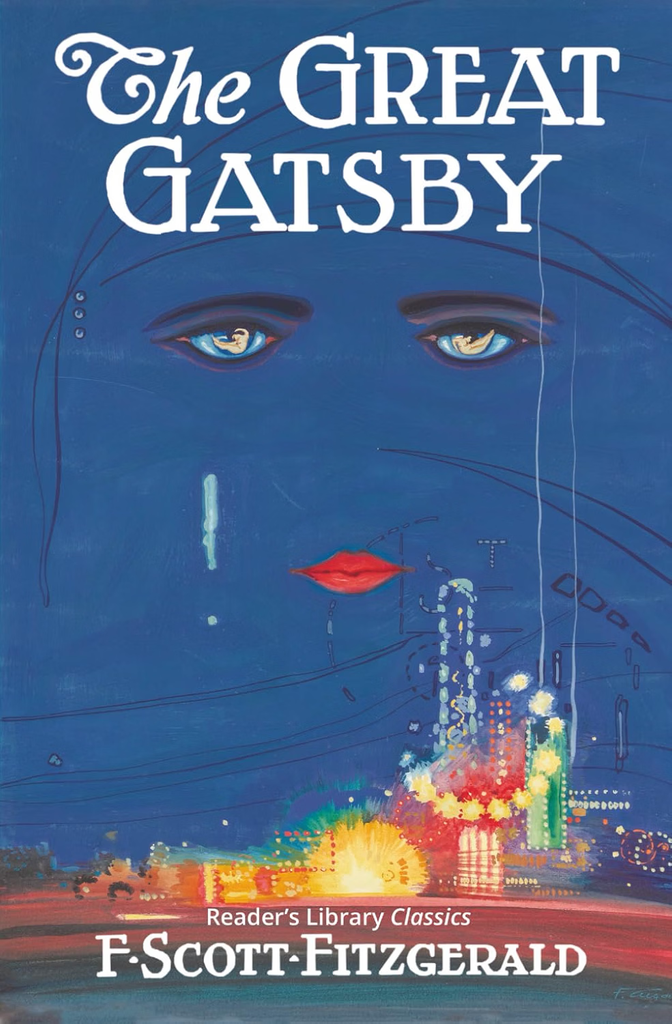
Money, parties, obsession, beautiful clothes and the illusion of having everything. Few books capture the glamour and emptiness of a particular era quite like The Great Gatsby.
Set during the Jazz Age of the 1920s, the novel follows Jay Gatsby, a mysterious millionaire who throws extravagant parties in the hope of reconnecting with Daisy Buchanan, the woman he has never truly forgotten.
Behind the champagne and glittering social gatherings is a story about wealth, class, ambition and the American Dream.
Fitzgerald’s writing makes the world feel almost cinematic, but the deeper you get into the story, the more you realize that all that glamour is hiding something considerably darker.
It is also a reminder that having everything you ever wanted does not necessarily mean you have what you need.
Read it if: You love stories about old money, ambition, complicated love and beautiful people with terrible decision making skills.
4. Jane Eyre by Charlotte Brontë
Published in 1847, Jane Eyre is one of the most influential novels in English literature. It follows Jane, an orphan who grows up facing hardship, isolation and the expectations placed upon women in Victorian society.
When she becomes a governess at Thornfield Hall, she develops feelings for the mysterious Mr Rochester. However, the house holds secrets that threaten everything she believes about love and independence.
What makes Jane so remarkable is her determination to maintain her sense of self, even when doing so comes at a personal cost.
Long before modern conversations about female independence, Jane Eyre was challenging the idea that a woman’s happiness should depend entirely on a man.
Read it if: You love gothic romance, mysterious houses, strong female characters and stories about choosing yourself.
5. Little Women by Louisa May Alcott
There is something incredibly comforting about Little Women. First published in 1868, the novel follows the four March sisters, Meg, Jo, Beth and Amy, as they grow up navigating family, ambition, love, loss and the expectations of womanhood.
Each sister represents a different kind of personality and ambition. Jo wants to become a writer, Amy dreams of artistic success, Meg longs for a family, and Beth finds happiness in quieter moments.
It is a story about sisterhood, growing up and the different ways women define a fulfilling life.
Jo March, in particular, remains an enduring literary favorite. Ambitious, independent and determined to write her own story, she feels surprisingly modern even today.
Read it if: You love coming of age stories, female friendships, family dynamics and books that make you nostalgic for a life you may never have lived.
6. The Picture of Dorian Gray by Oscar Wilde
What if you could remain young and beautiful forever, while every consequence of your actions appeared somewhere else?
That is the central premise of Oscar Wilde’s The Picture of Dorian Gray, a novel about beauty, vanity, morality and the dangerous pursuit of eternal youth.
Dorian Gray is a young man whose portrait ages and reflects the corruption of his soul while he remains physically untouched by time.
It is a fascinating exploration of society’s obsession with appearance and the lengths people will go to preserve it.
For a novel published in 1890, its commentary on beauty culture, image and superficiality feels remarkably contemporary. In an age of filters, cosmetic procedures and carefully curated identities, Dorian Gray’s story hits differently.
Read it if: You are interested in beauty, aesthetics, vanity, philosophy and the darker side of perfection.
7. To Kill a Mockingbird by Harper Lee
Few novels have had the cultural influence of To Kill a Mockingbird. Published in 1960, Harper Lee’s novel explores racism, injustice, morality and childhood through the eyes of Scout Finch, a young girl growing up in the American South.
When her father, Atticus Finch, agrees to defend a Black man falsely accused of assaulting a white woman, the family becomes caught in a deeply prejudiced community.
The novel is particularly powerful because it explores complicated social issues through the perspective of a child who is still learning how the world works.
It challenges readers to think about empathy, privilege and what it means to stand up for what is right, even when doing so is unpopular.
Read it if: You appreciate socially conscious fiction and stories that challenge the way we understand justice and humanity.
8. The Catcher in the Rye by J.D. Salinger
There is a reason The Catcher in the Rye has been discussed, debated and studied for decades.
The novel follows Holden Caulfield, a teenager wandering around New York City after being expelled from school. As he moves through the city, he reflects on adulthood, loneliness, identity and what he sees as the overwhelming phoniness of the world.
Holden is not necessarily a character you will always like. In fact, he can be frustrating, contradictory and difficult to understand. But that is precisely what makes him interesting.
The book captures the confusion of growing up and the feeling of being disconnected from everyone around you.
Read it if: You have ever felt misunderstood, questioned your place in the world or found adulthood considerably less appealing than expected.
9. The Stranger by Albert Camus
Short, unsettling and philosophically rich, The Stranger is one of the most recognizable works of existential literature.
Written by French philosopher and author Albert Camus, the novel follows Meursault, a man who appears emotionally detached from the events unfolding around him, including the death of his mother and a crime that changes his life.
Through his indifference, Camus explores the absurdity of existence, social expectations and humanity’s search for meaning.
It is not necessarily an easy book to love, but it is certainly one that stays with you.
Sometimes the most interesting books are not the ones that give you answers, but the ones that leave you with considerably more questions.
Read it if: You enjoy philosophy, existentialism and stories that challenge conventional ideas about morality and human behavior.
10. One Hundred Years of Solitude by Gabriel García Márquez
If you have ever wanted to get lost in a completely different world, this is the book to pick up.
Gabriel García Márquez’s One Hundred Years of Solitude tells the story of the Buendía family across seven generations in the fictional Colombian town of Macondo.
Blending reality with magical elements, the novel explores love, memory, political conflict, family, isolation and the repetitive nature of history.
It is one of the defining works of magical realism and a landmark of world literature.
The storytelling is ambitious, the characters are unforgettable and the world Márquez creates feels almost dreamlike. It is the kind of book that rewards patience and invites you to experience literature beyond conventional storytelling.
Read it if: You love immersive storytelling, family sagas, magical realism and books that transport you somewhere entirely unfamiliar.
11. The Bell Jar by Sylvia Plath
Written by poet Sylvia Plath and published in 1963, The Bell Jar follows Esther Greenwood, a young woman navigating ambition, identity, societal expectations and her deteriorating mental health.
Set against the backdrop of 1950s America, the novel explores the pressure placed on women to fulfil particular roles while suppressing their own ambitions and desires.
Plath’s writing is intimate, darkly humorous and deeply observant. Esther’s experience captures the tension between the life she is expected to want and the person she is struggling to become.
It remains an important work of twentieth century literature, particularly for its exploration of womanhood, identity and the pressures of conformity.
Read it if: You appreciate introspective writing, complex female characters and stories about the expectations placed on women.
12. Things Fall Apart by Chinua Achebe
A reading list of literary classics would be incomplete without looking beyond the traditional Western canon.
Published in 1958, Chinua Achebe’s Things Fall Apart tells the story of Okonkwo, a respected leader in an Igbo community in Nigeria, as colonialism and Christian missionaries begin transforming the society around him.
The novel explores cultural identity, tradition, masculinity, family and the devastating consequences of colonial interference.
What makes it particularly important is that Achebe tells the story from within the community rather than through the perspective of colonial outsiders.
It is a foundational work of African literature and an essential read for anyone interested in understanding the complexities of cultural history and identity.
Read it if: You want to expand your literary perspective and explore stories that challenge the way history has traditionally been told.
13. The Alchemist by Paulo Coelho
Not every classic needs to be complicated or hundreds of pages long. Sometimes a simple story can leave a lasting impression.
The Alchemist follows Santiago, a young shepherd from Spain who travels across the desert in search of a hidden treasure. Along the way, he encounters people and experiences that challenge his understanding of purpose, destiny and happiness.
Paulo Coelho’s novel is a philosophical fable about following your dreams and recognizing the opportunities that appear along the way.
Although its simplicity has made it divisive among some literary critics, its cultural impact is undeniable. It has become one of the most widely read contemporary novels in the world.
Read it if: You are in a period of change, questioning your direction or simply looking for a little perspective.
14. Wuthering Heights by Emily Brontë
If you think classic literature is all polite romances and happy endings, Wuthering Heights will quickly change your mind.
Emily Brontë’s 1847 novel follows the destructive relationship between Catherine Earnshaw and Heathcliff, exploring obsession, revenge, class and generational trauma.
Set against the bleak Yorkshire moors, the novel is atmospheric, intense and filled with characters who are often deeply unlikable.
This is not a traditional love story. It is a story about what happens when love becomes possessive, destructive and impossible to escape.
Its influence can still be seen throughout modern literature, film, music and popular culture.
Read it if: You enjoy dark romance, gothic storytelling and complicated characters who make questionable decisions.
15. The Handmaid’s Tale by Margaret Atwood
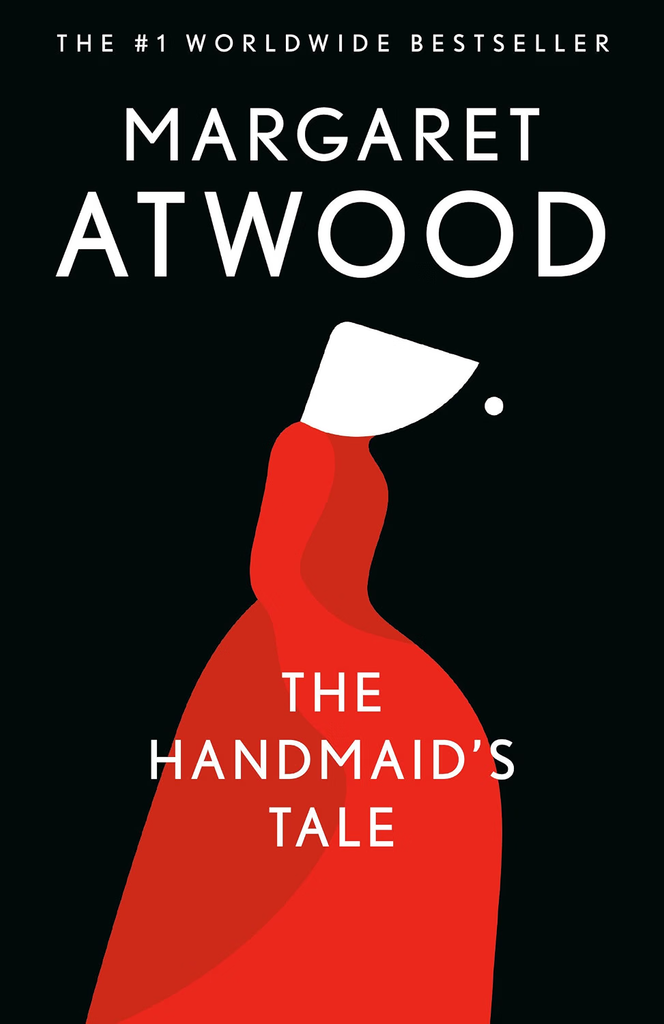
A more contemporary addition to the literary classics shelf, Margaret Atwood’s The Handmaid’s Tale is a dystopian novel that explores gender, power, reproductive rights and political control.
Set in the fictional Republic of Gilead, a totalitarian society where women have lost most of their rights, the story follows Offred, a woman forced into reproductive servitude.
Atwood’s novel is particularly powerful because it examines how quickly individual freedoms can be taken away when political power goes unchecked.
Since its publication in 1985, the book has become a major cultural reference point, inspiring television adaptations and countless conversations about women’s autonomy.
Read it if: You enjoy dystopian fiction and books that examine power, gender and the politics of everyday life.
So, Have You Actually Read Them?
Reading classics is not about ticking off a list or competing over who has the most impressive bookshelf. It is about giving yourself access to stories that have survived generations for a reason.
Some of these books will change how you see relationships. Others will challenge your understanding of society, beauty, ambition, identity and the world around you. A few might even become the books you recommend to everyone you know.
And if you have not read them all, there is no better time to start.
Because being a reader is not about how many books you finish. It is about being curious enough to keep opening the next one.
Your next reading list starts here.
Share This Article